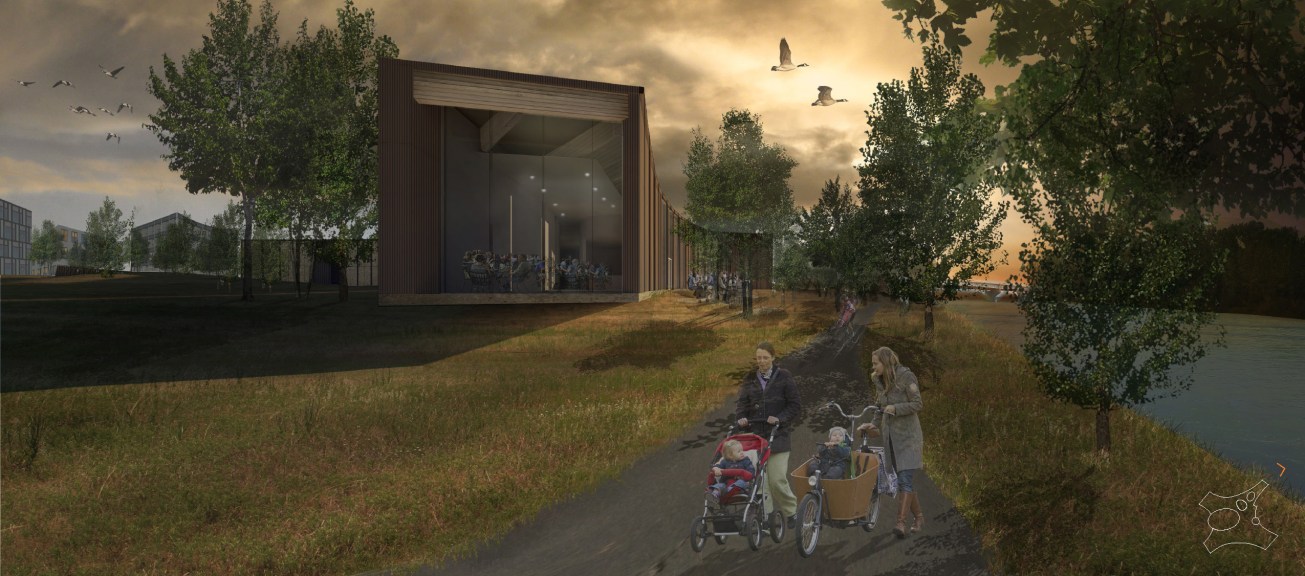
an aboriginal cultural centre
Project completed with Krista Lauridsen

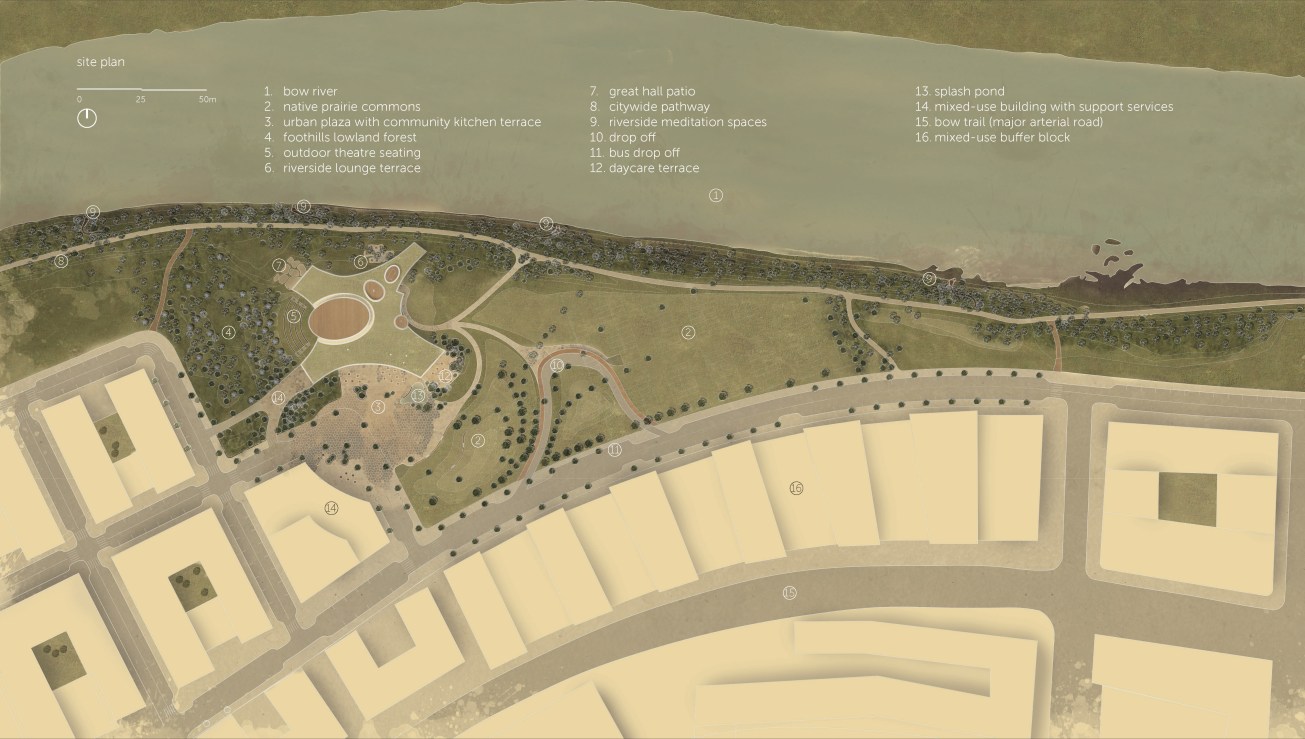
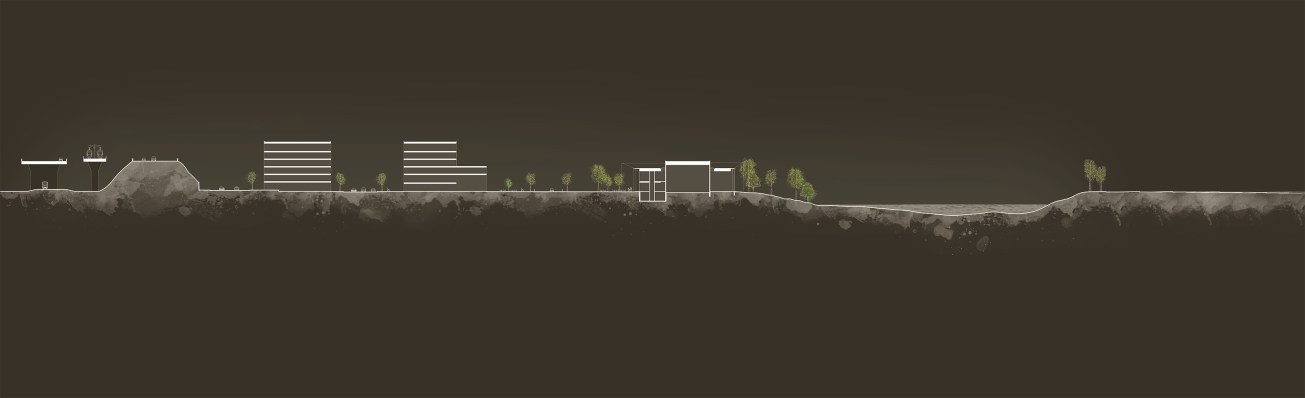
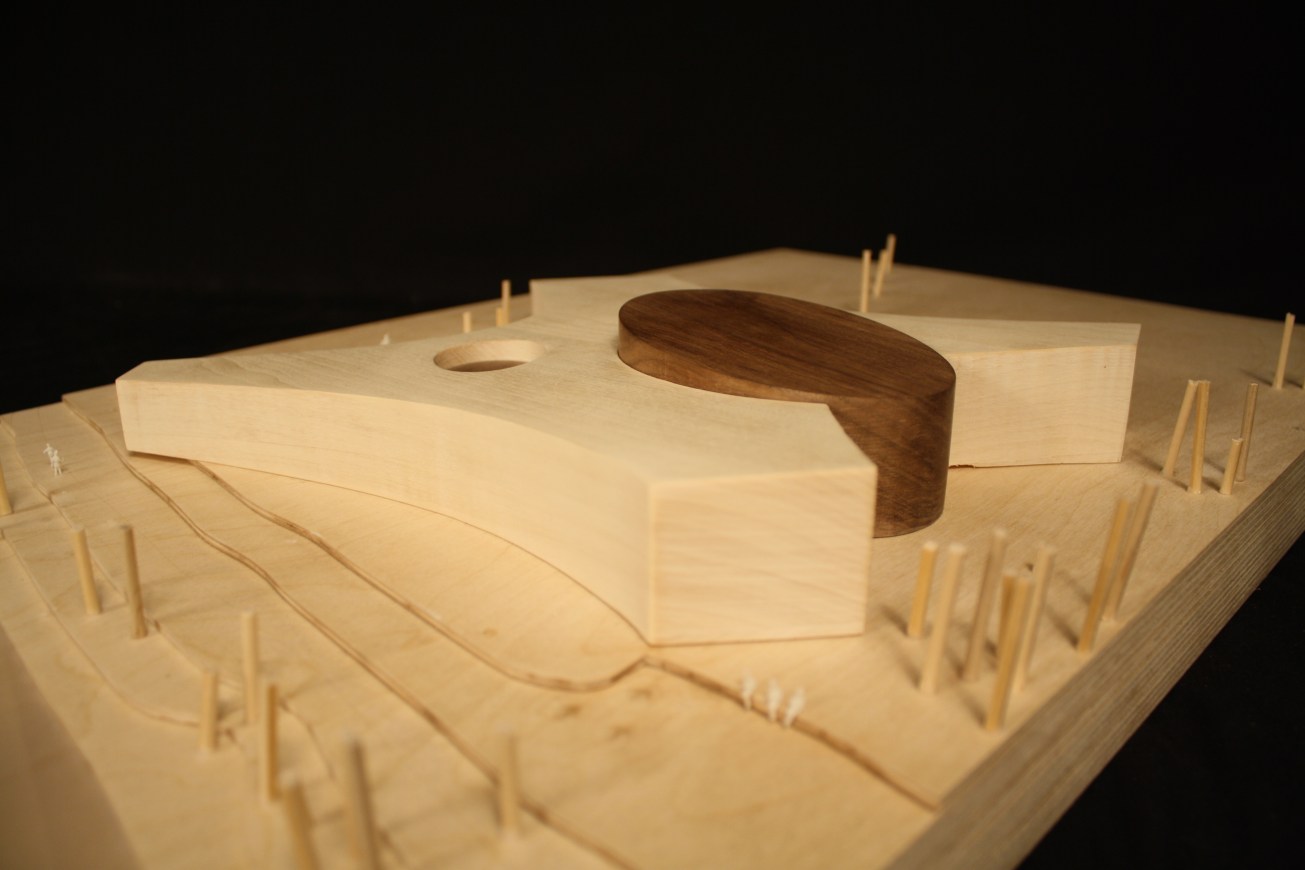
Aipoyaakokii is an aboriginal cultural centre situated on the banks of the Bow River in Calgary, Alberta, on traditional Blackfoot territory. The project focuses on the urban first nations person and the renewed interest in culture that comes from being off reserve. Aipoyaakokii is a place where this renewed interest in culture can develop and flourish.
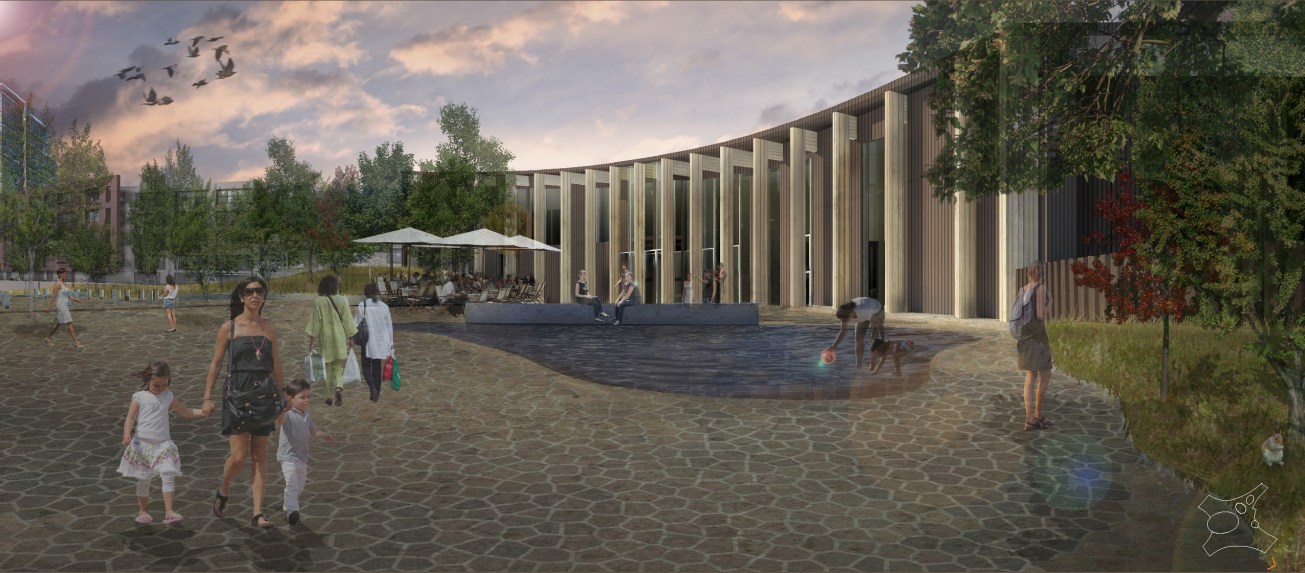
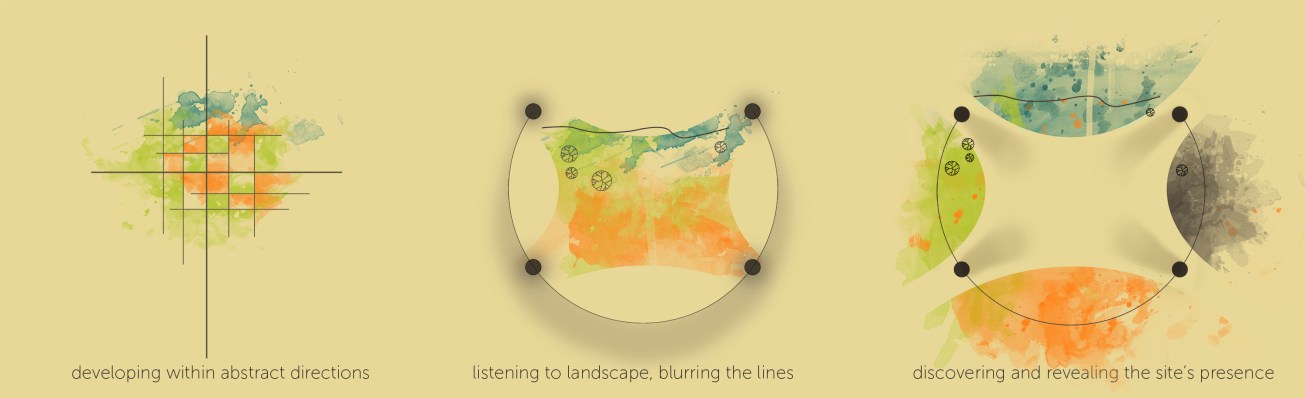
The project is centered on the notion of parallax and how a shifting perspective can allow one to view through the eyes of the other. This shifting perspective is relevant towards cultivating a dynamic discourse and creating a place of understanding.
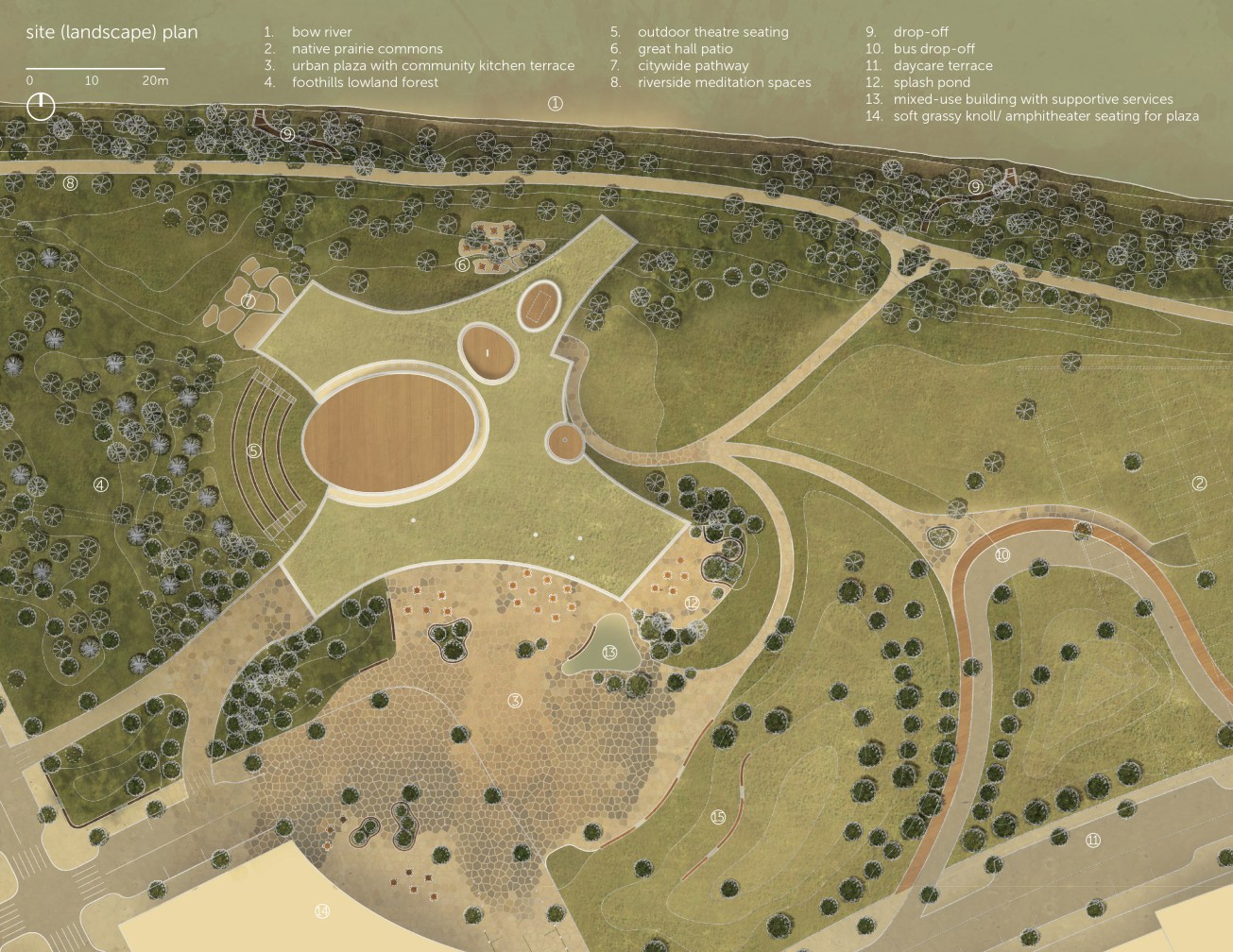
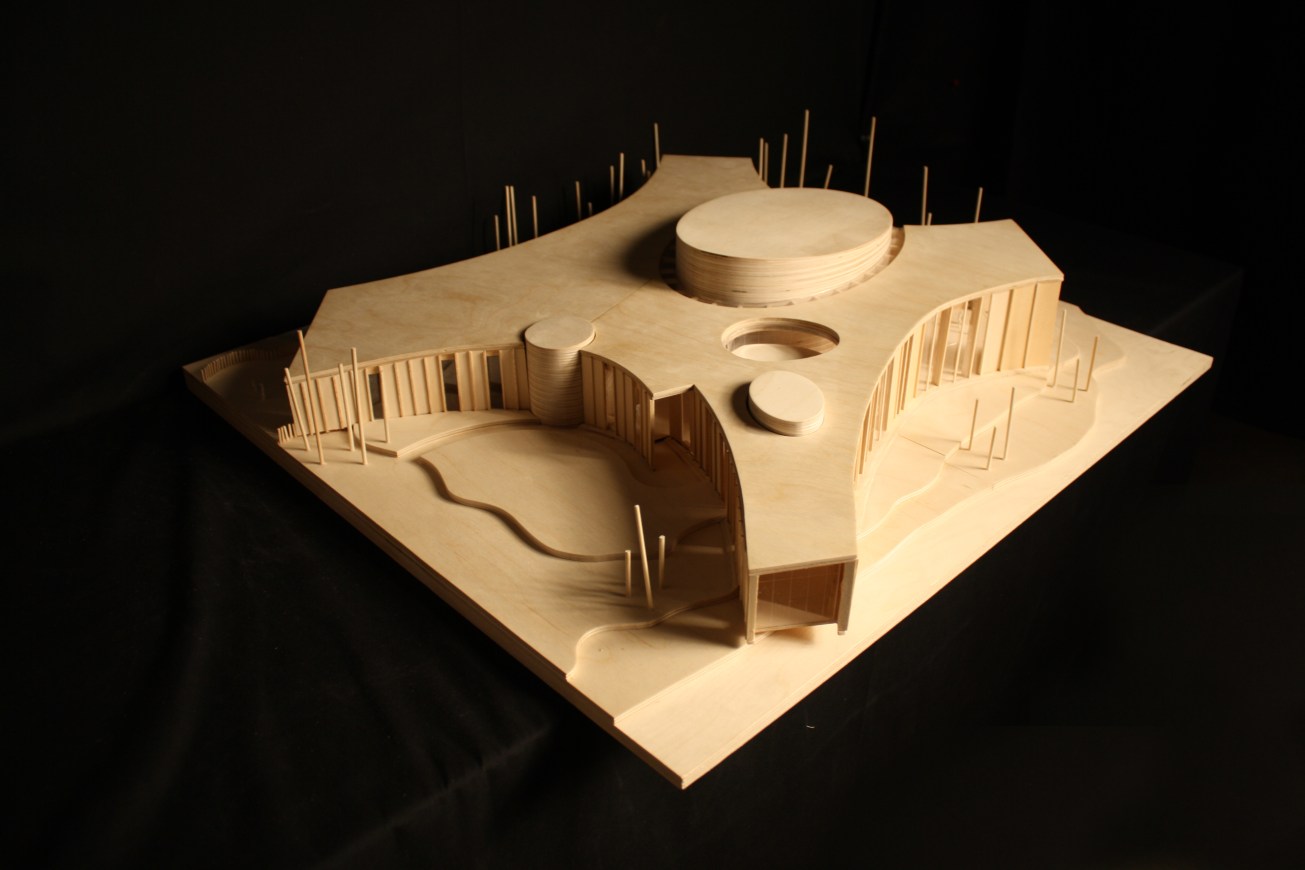
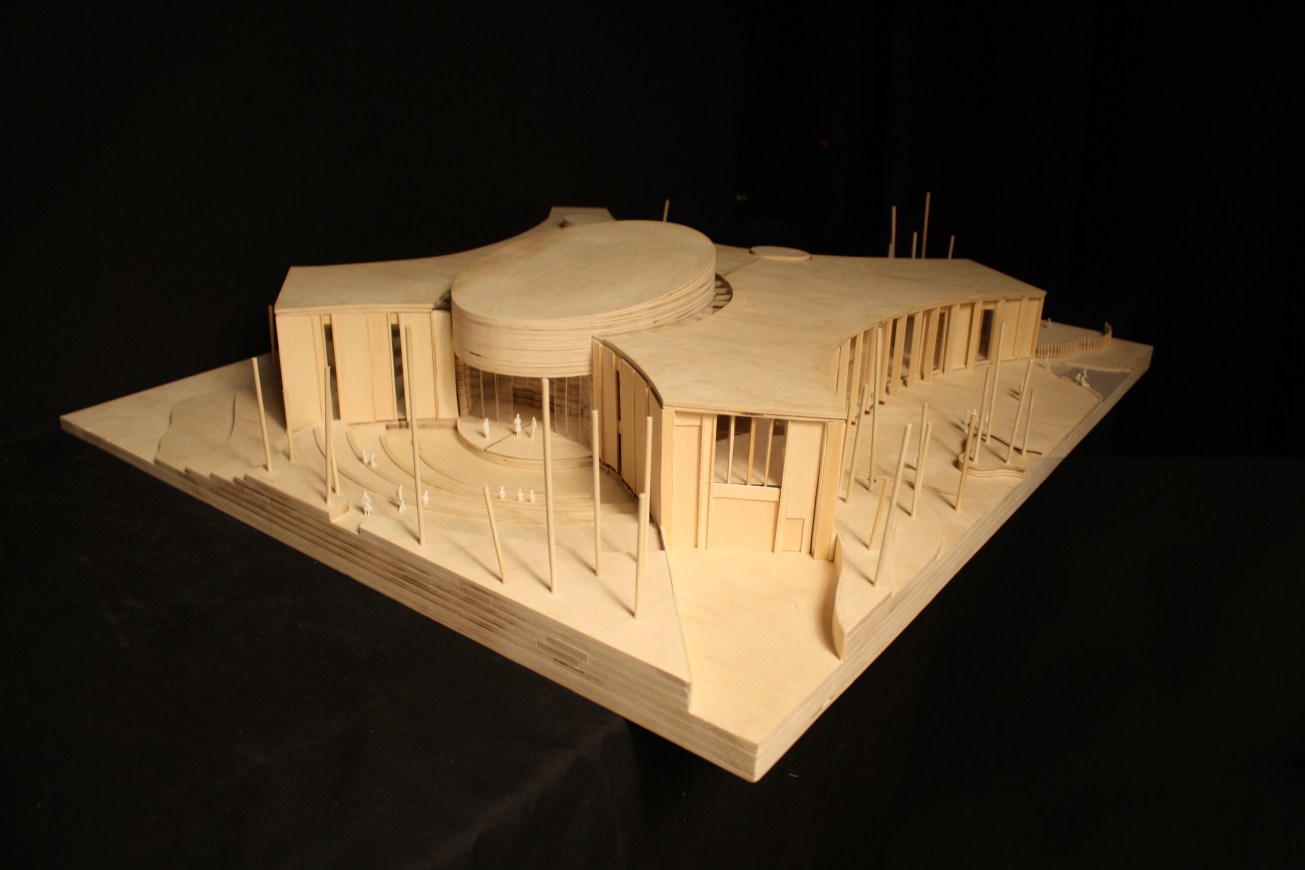
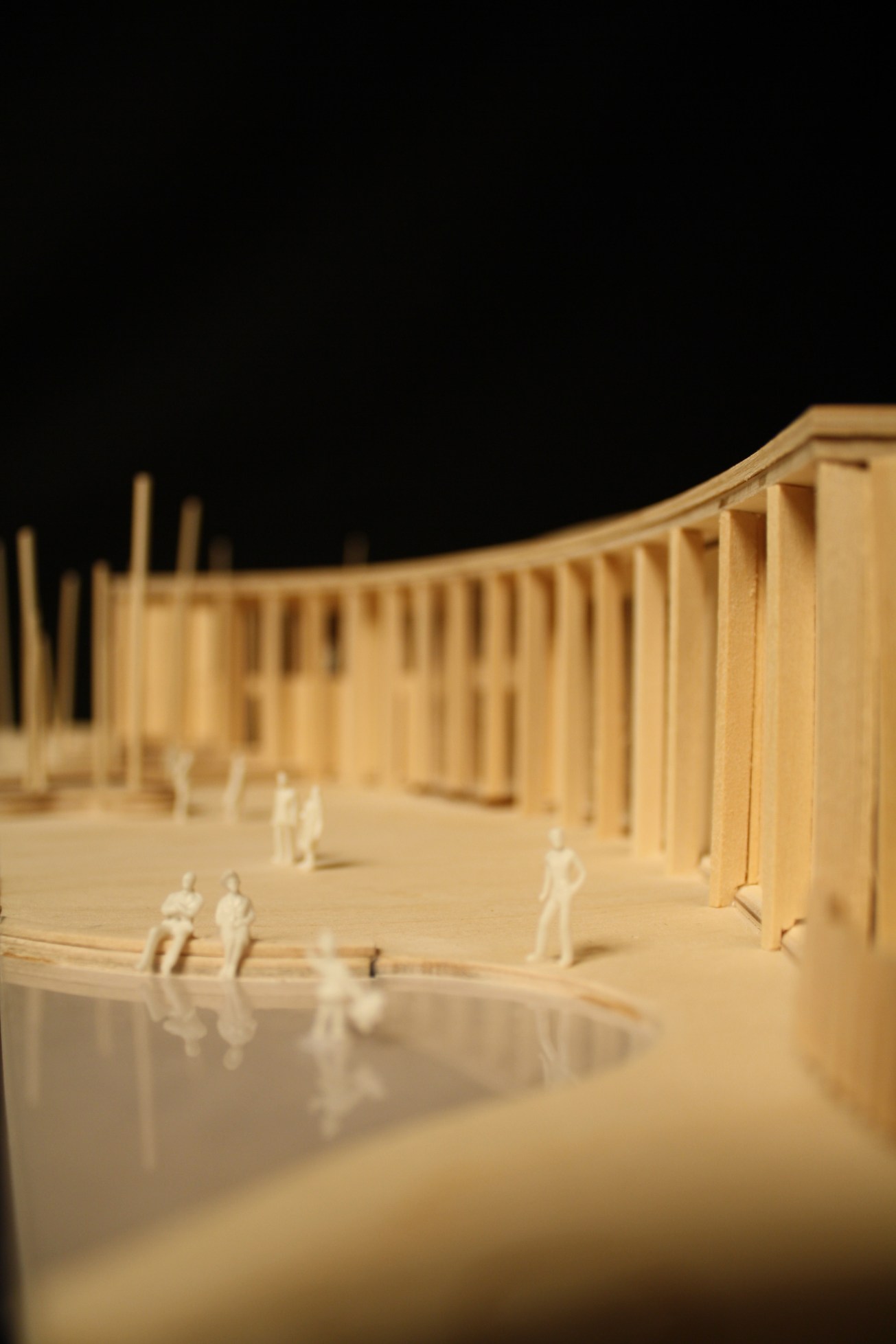
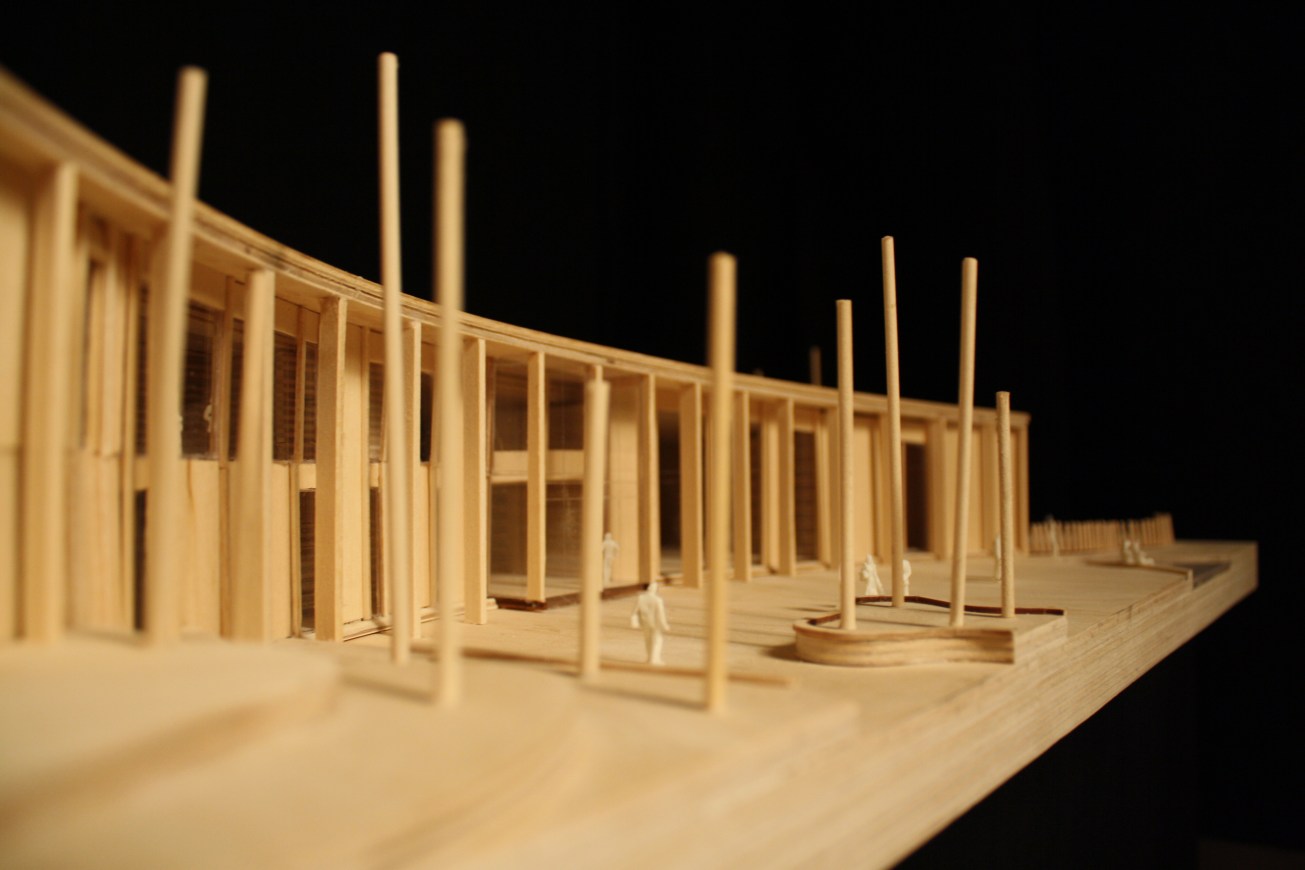
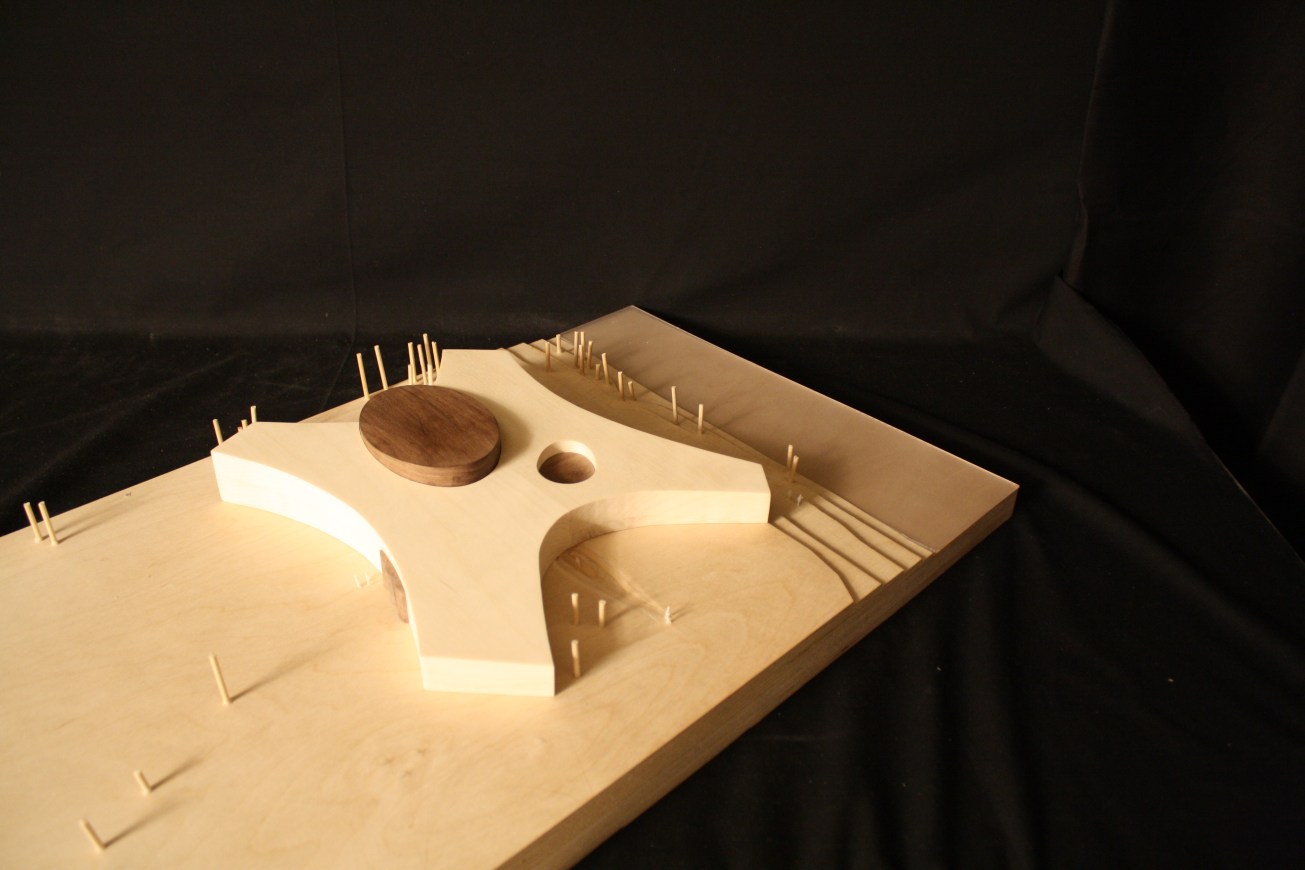
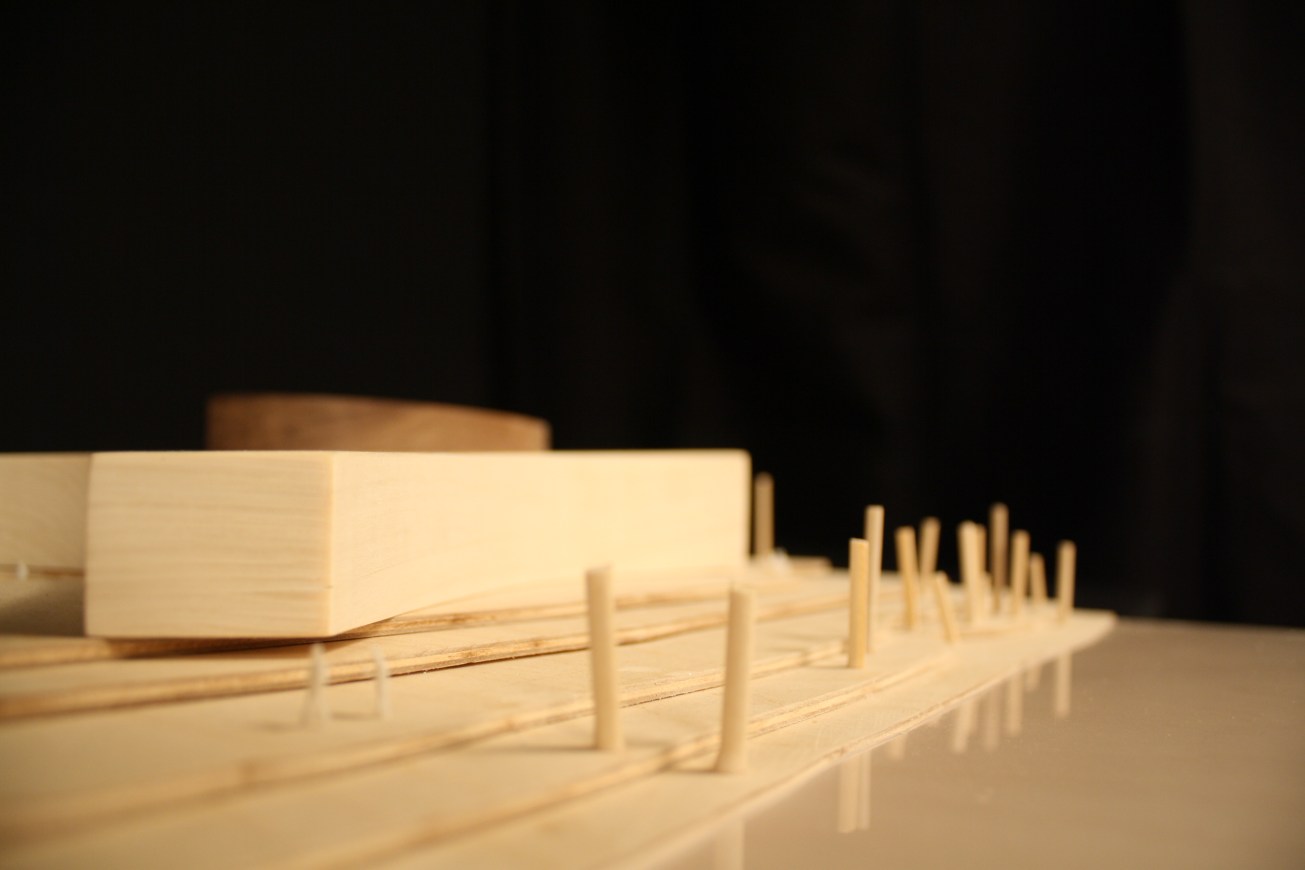
Parallax presented itself throughout the design and was combined with the aboriginal spiritual significance of the circle to give rise to the project’s form. This geometry allowed the presence of four distinct landscapes to surround the building; the Bow River, a foothill lowland forest; an urban plaza, and an open multi-use common of prairie grasses. The easterly focus of the building’s entry, significant in many local aboriginal cultures, is represented through the sloped green roof which seemingly emerges from the landscape like a valley edge, grounding the project in the earth.
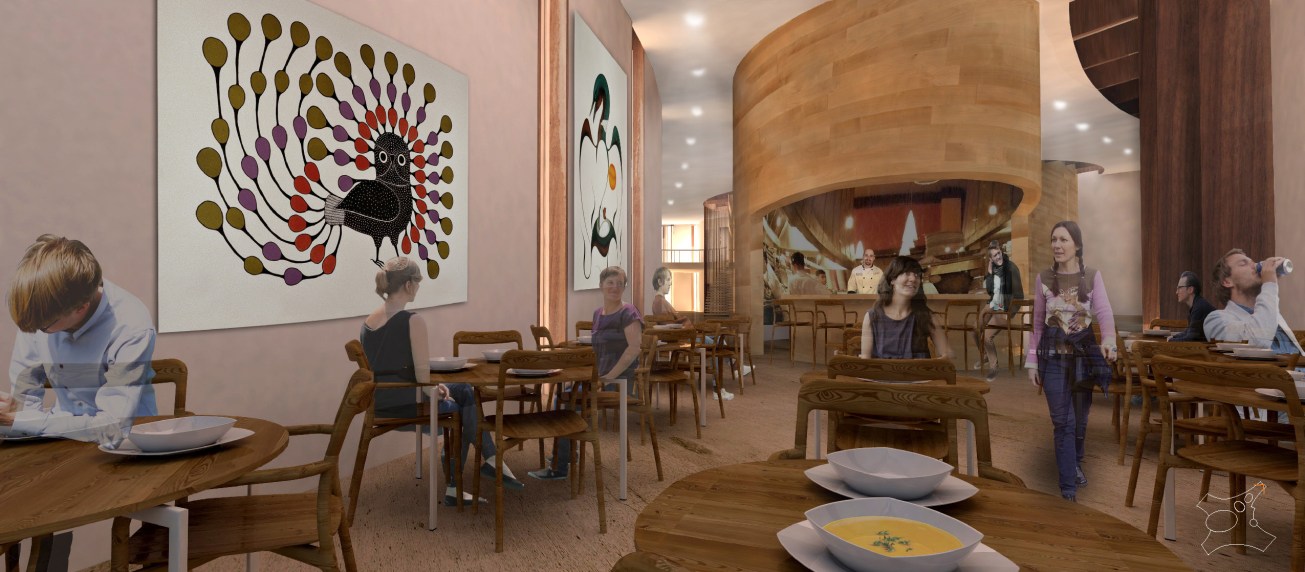
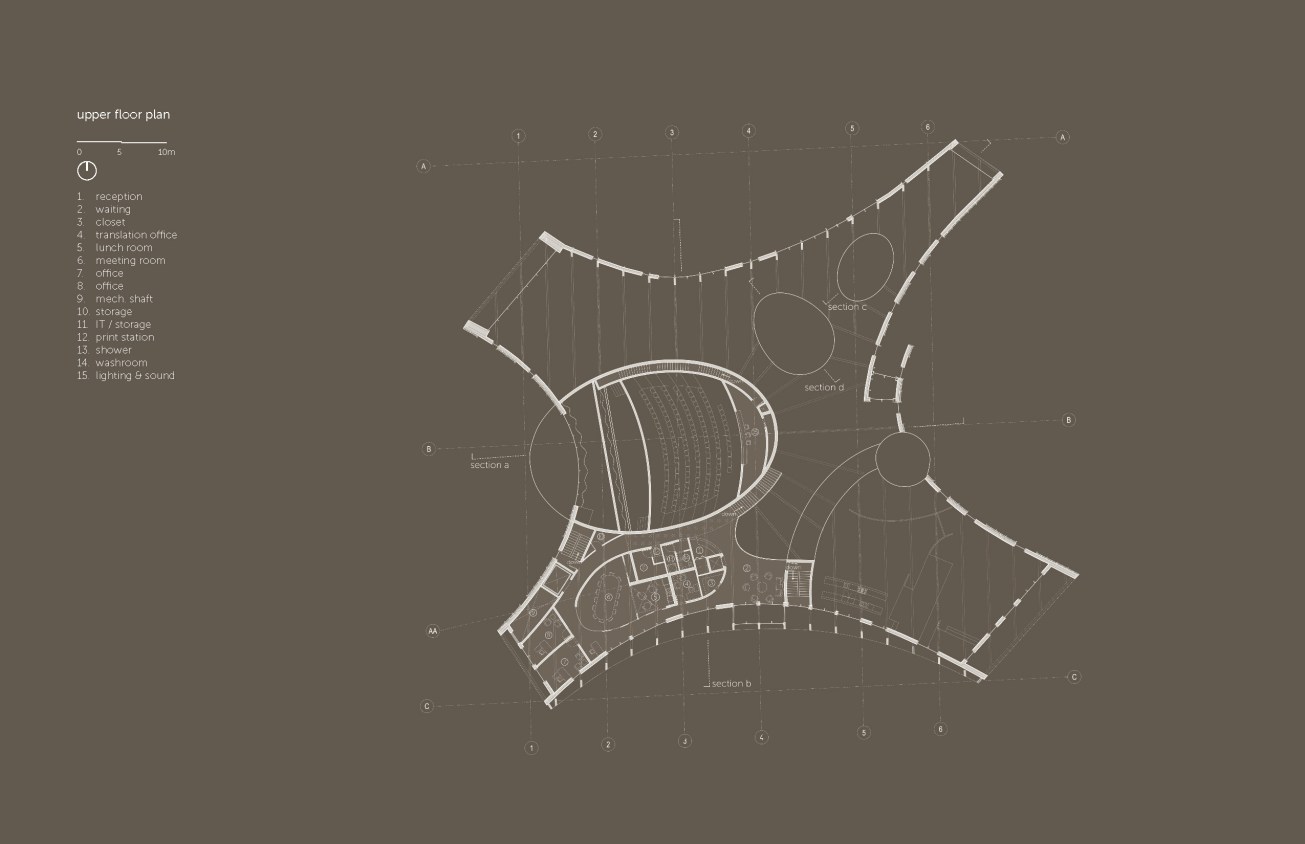
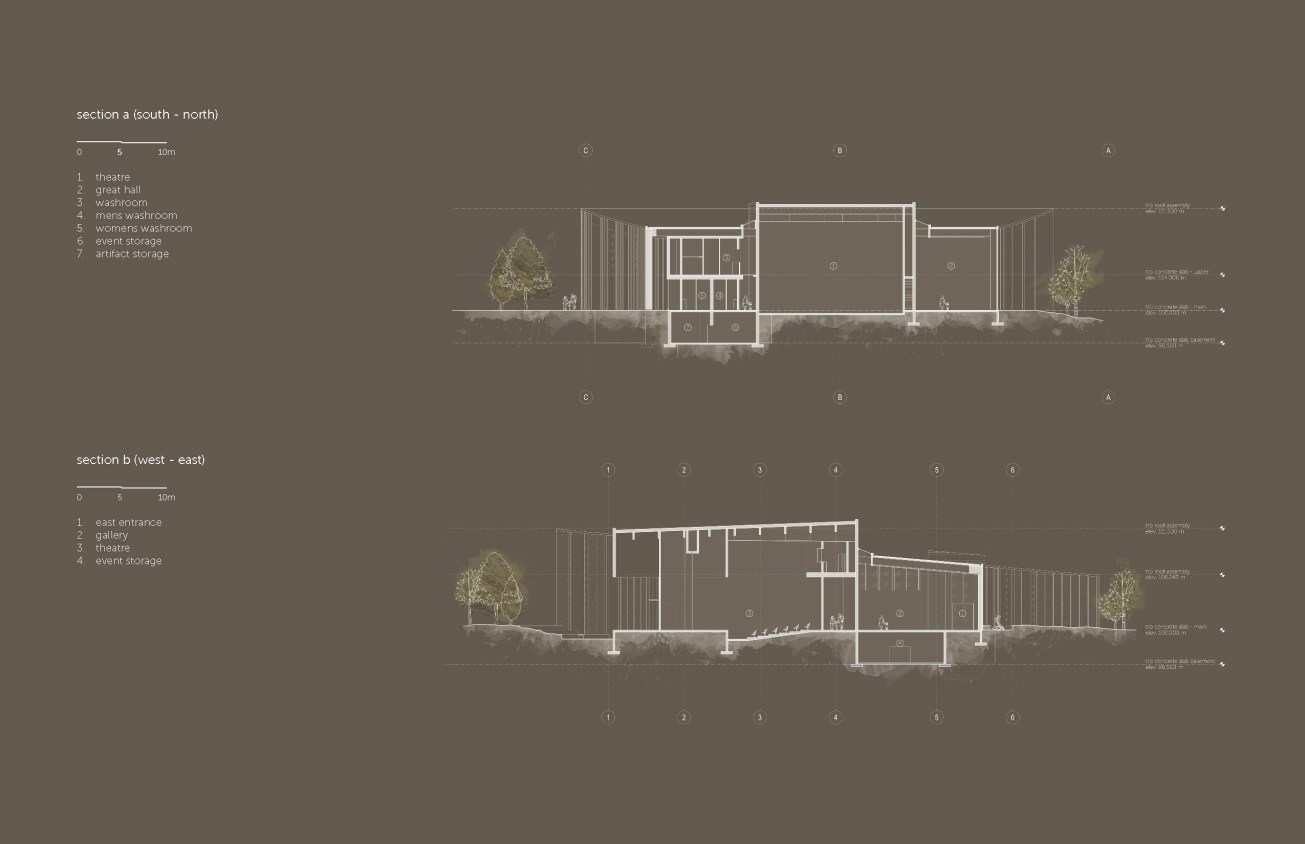
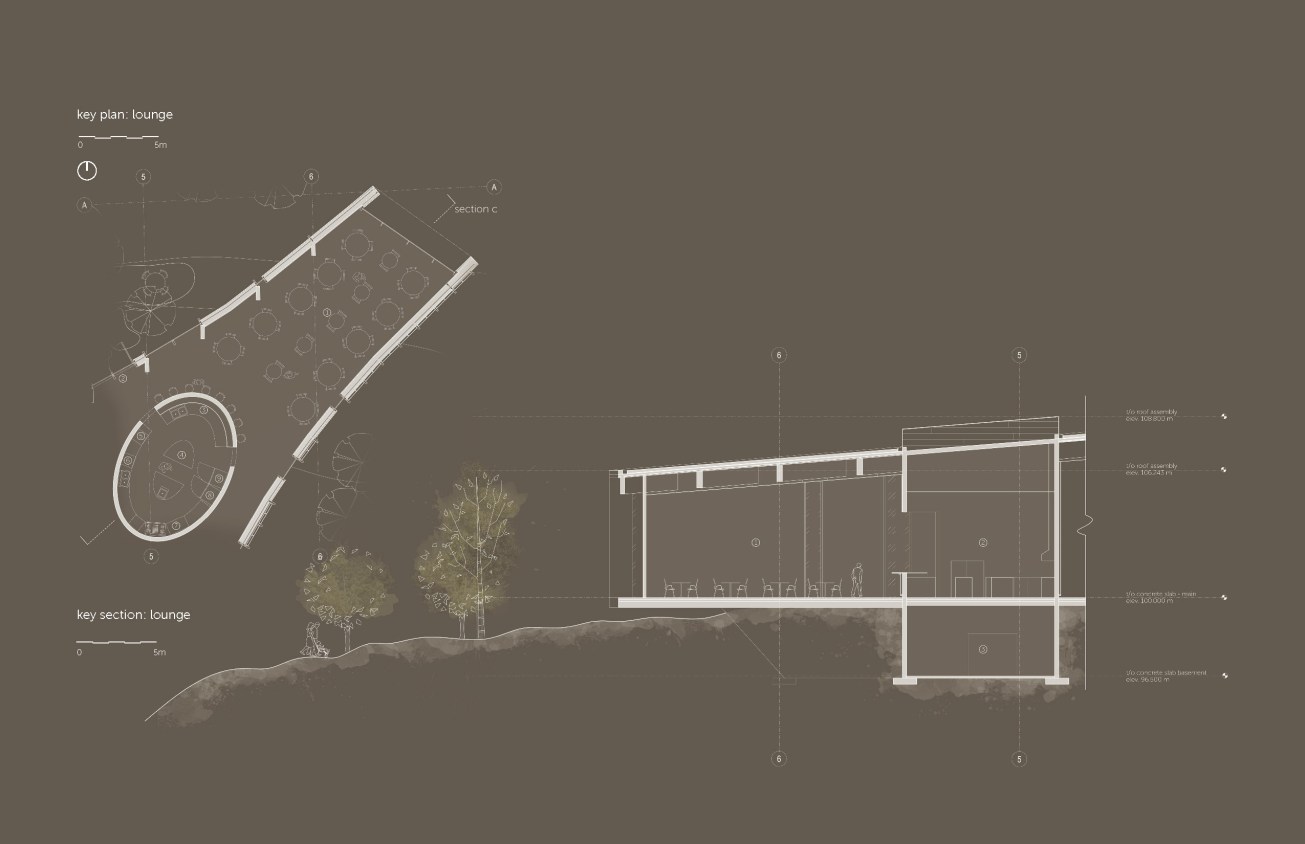
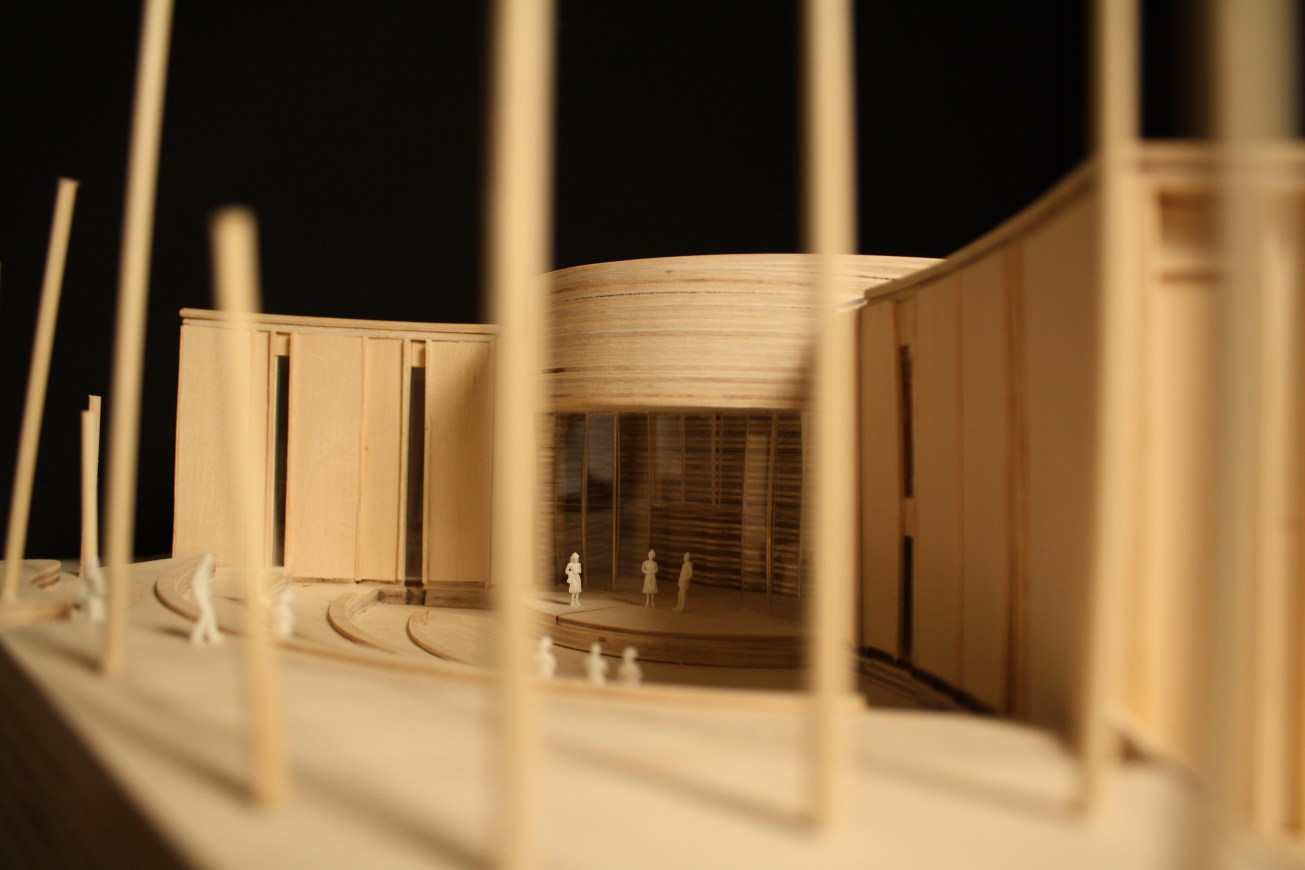
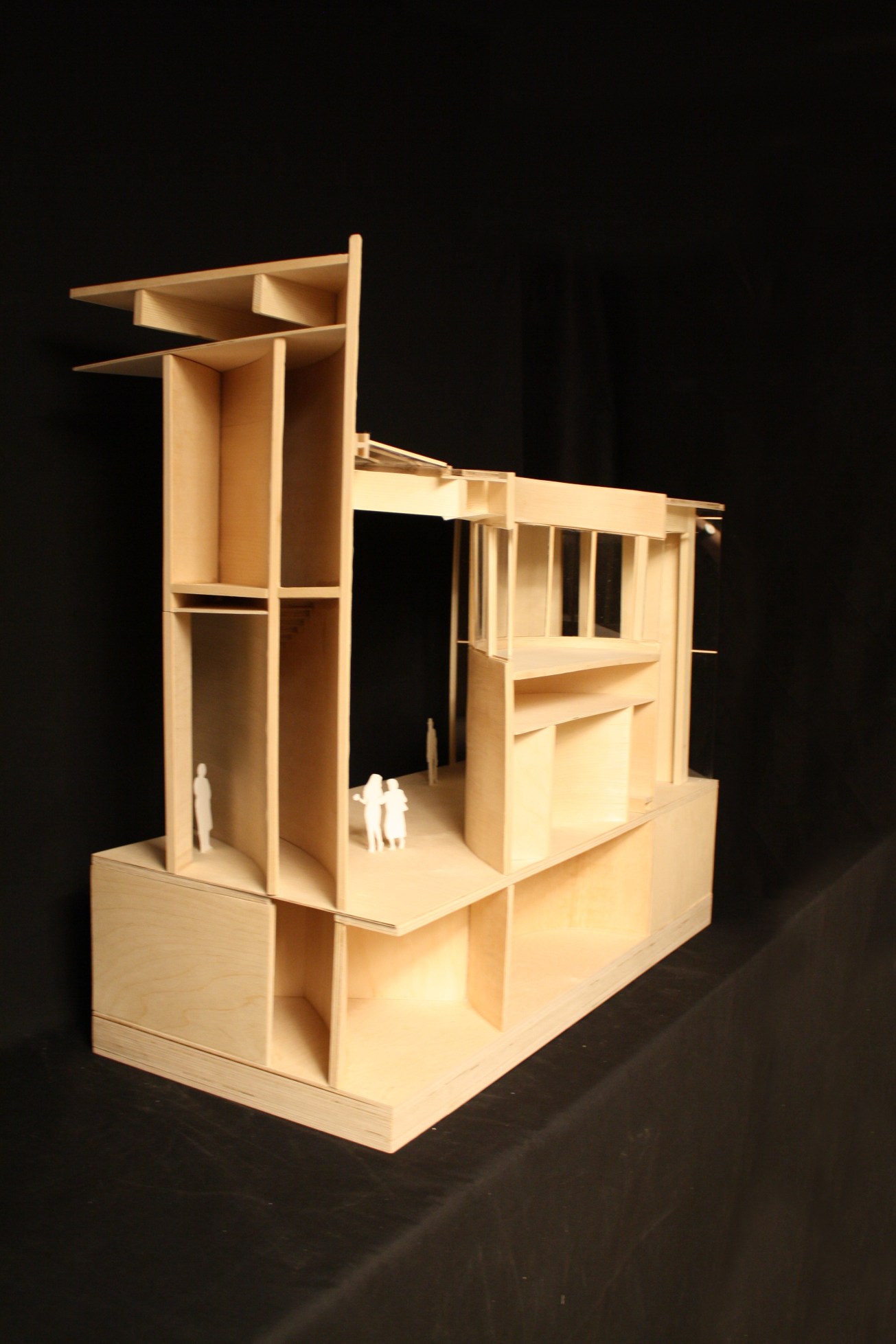
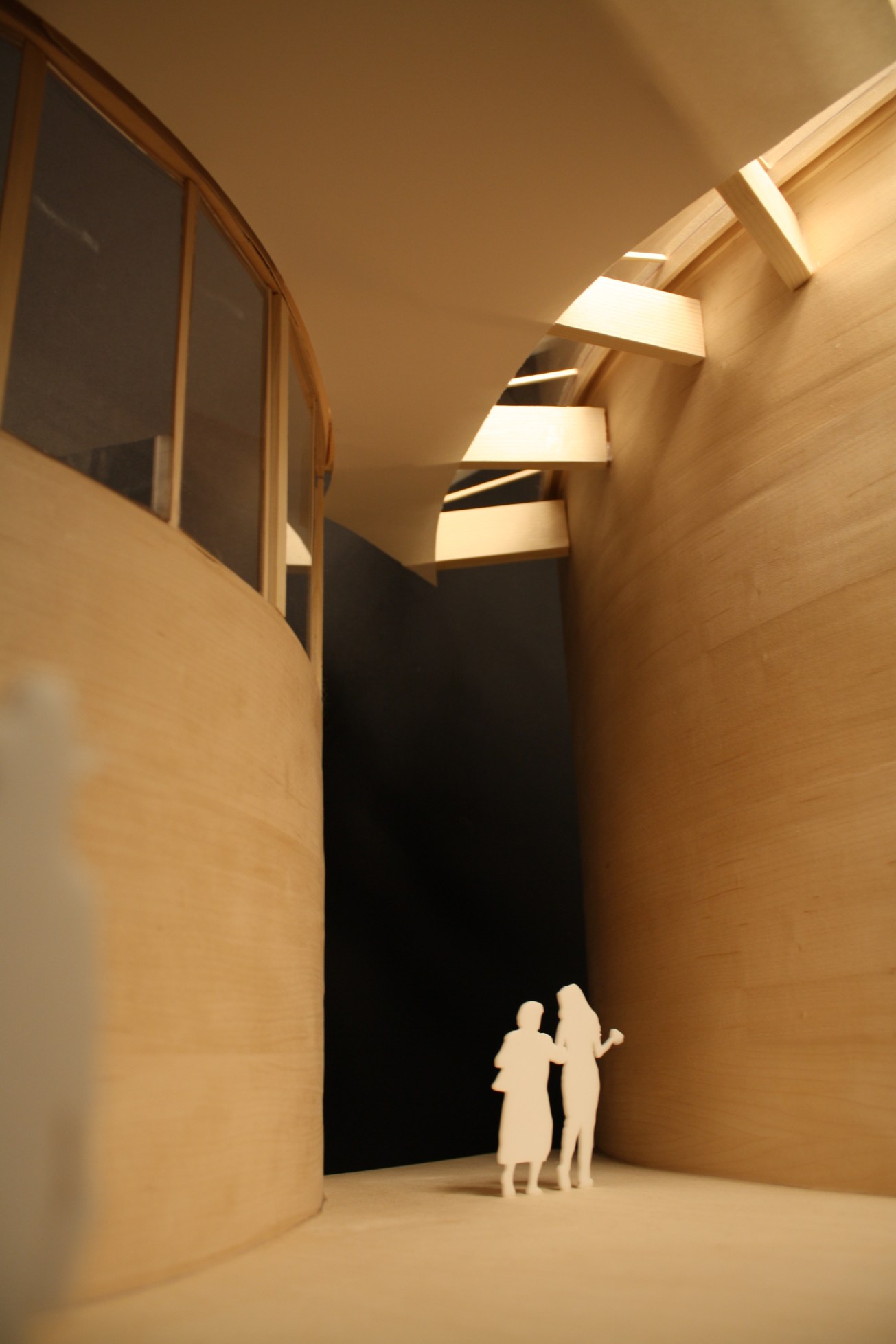
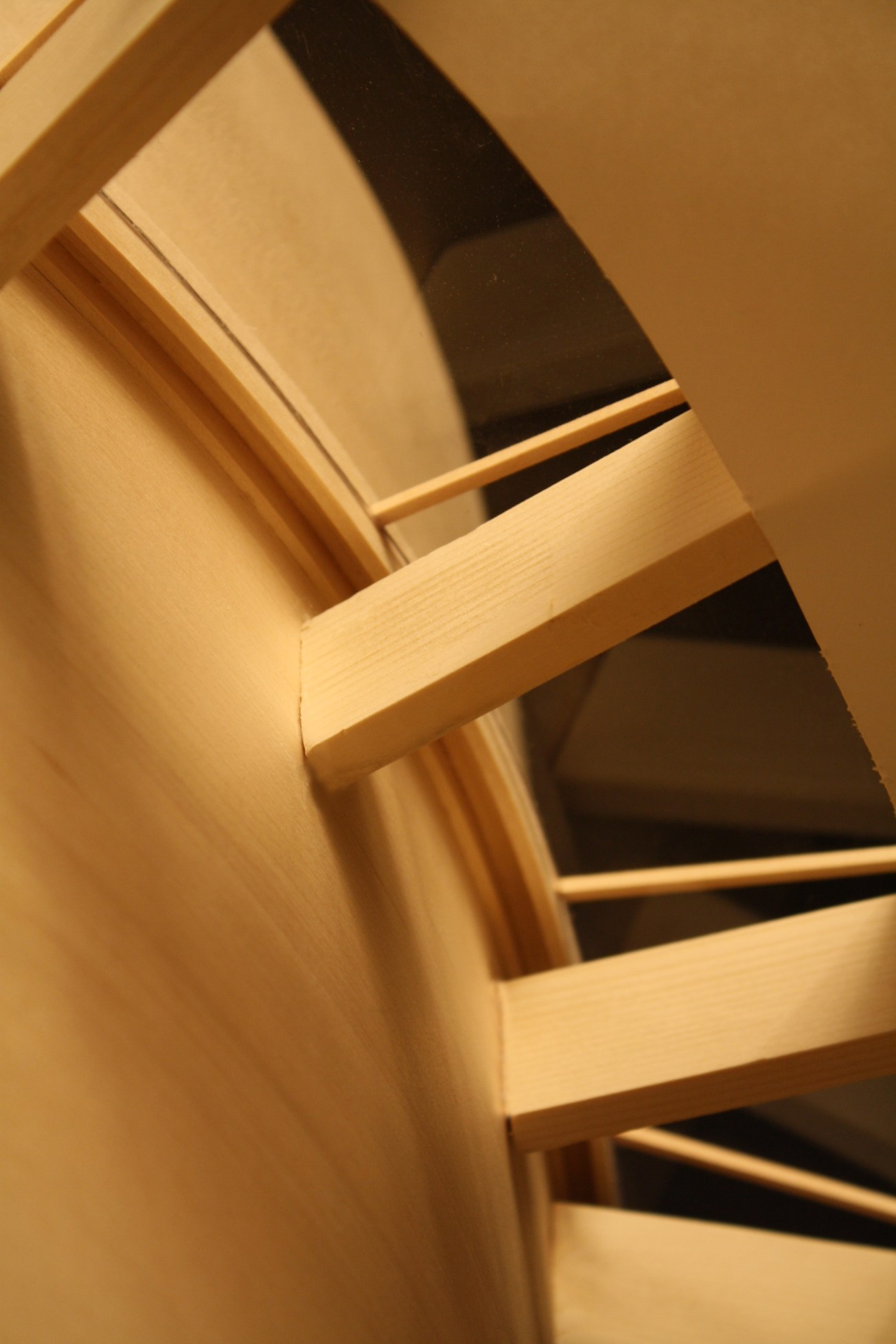
The interior space is organized by the building’s extents and the elliptic volumes throughout. These volumes create non-hierarchical circulation potentialities and reference the sacredness of the circle.

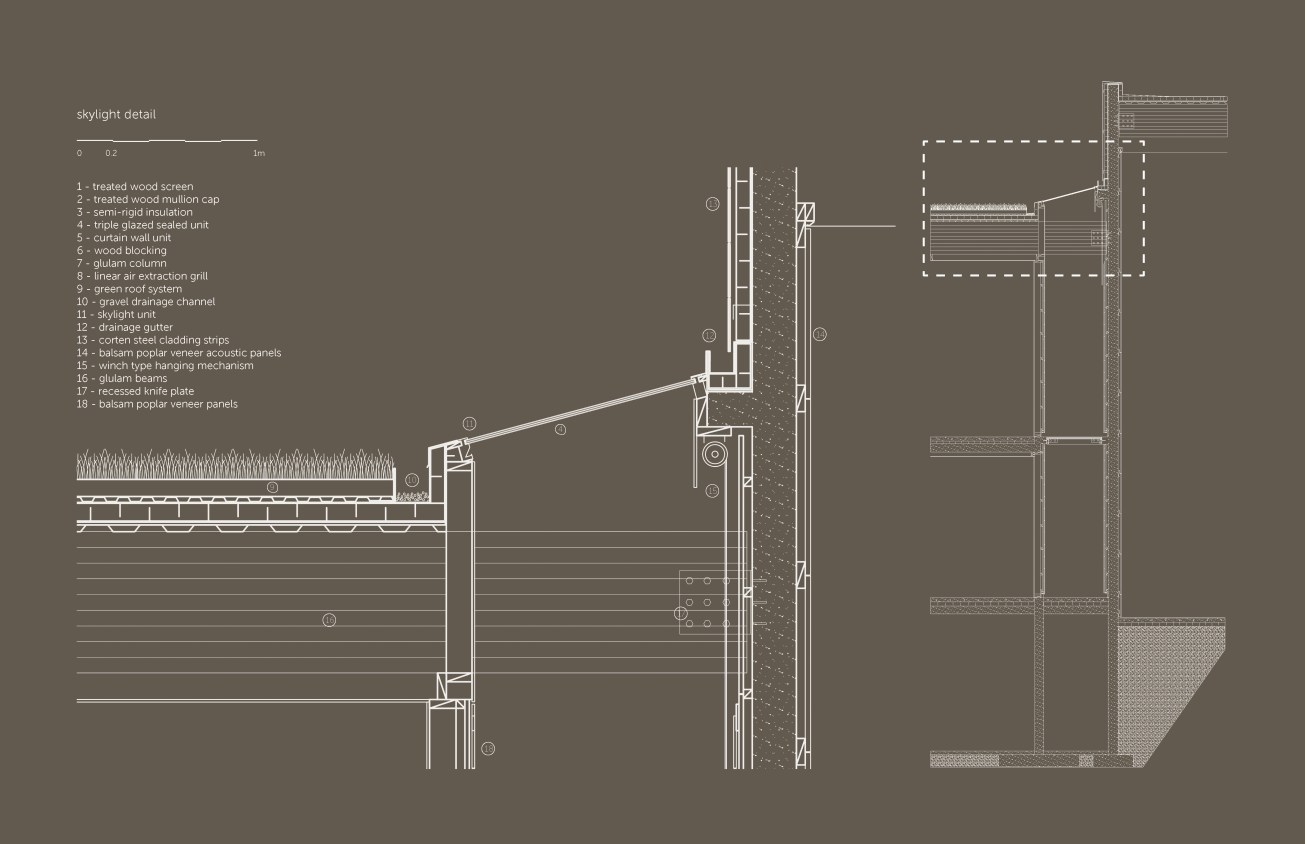
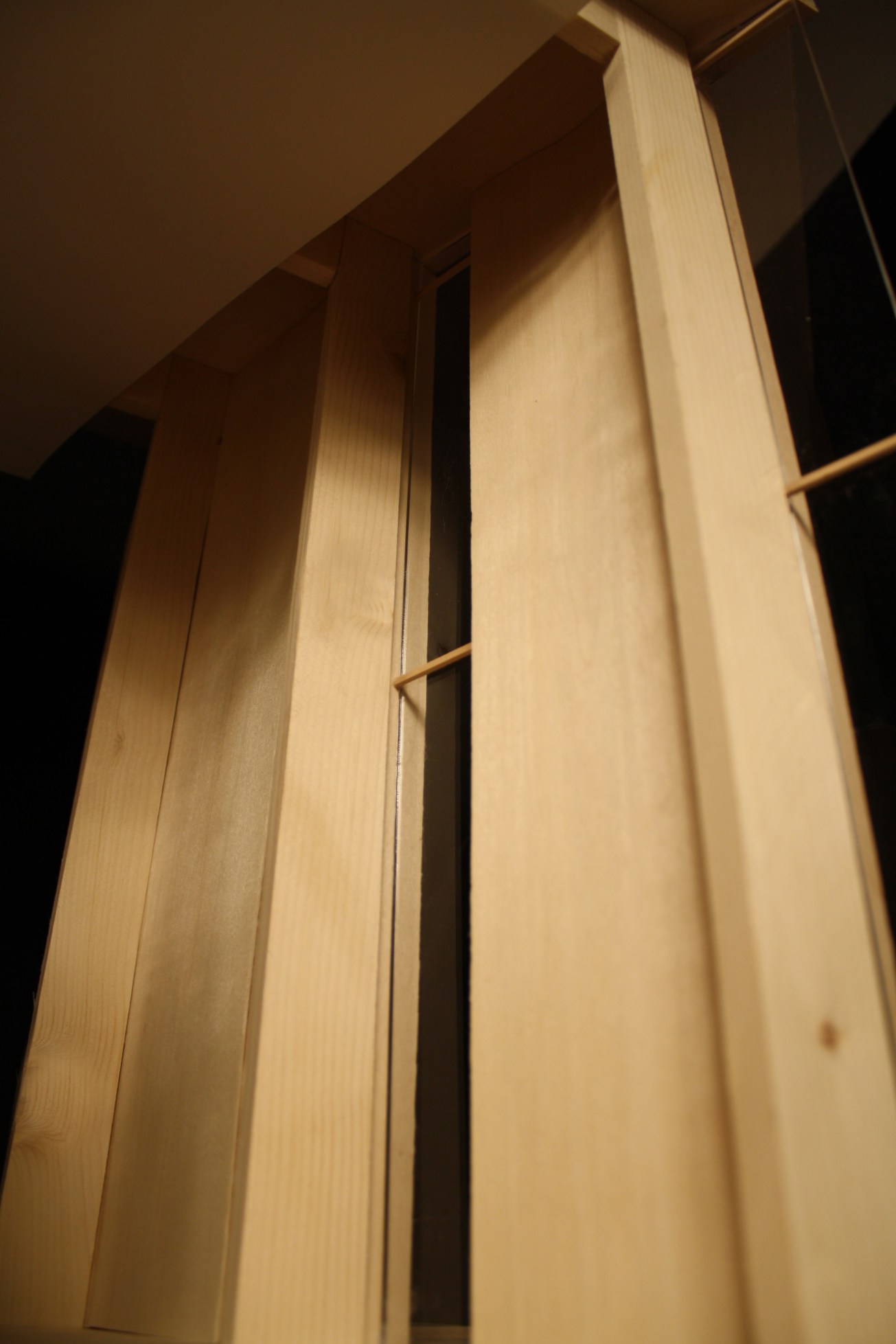
Connecting the landscape with the interior was central to the design intention. This was achieved by surrounding the central theatre volume with a skylight, providing interior light and a connection to the heavens. Similarly, the western wall of the theater houses a glazed operable wall, offering views and linkages to the surrounding landscape.
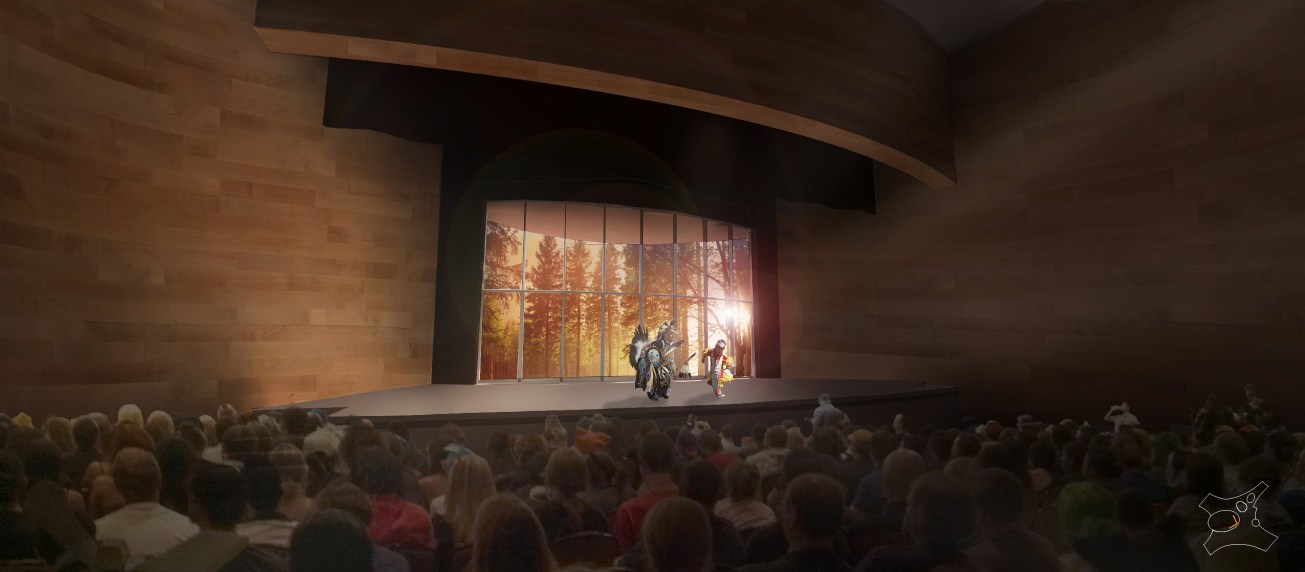
The building’s floor plans are structured to provide a varied density of space. This facilitates a process of discovery, which is rooted in the centrifugal concept of parallax. From the urban connection on the south façade, to the grand hall on the northwest, the plan reinforces the connection of the urban first nations to their surrounding landscape, be it built or natural.

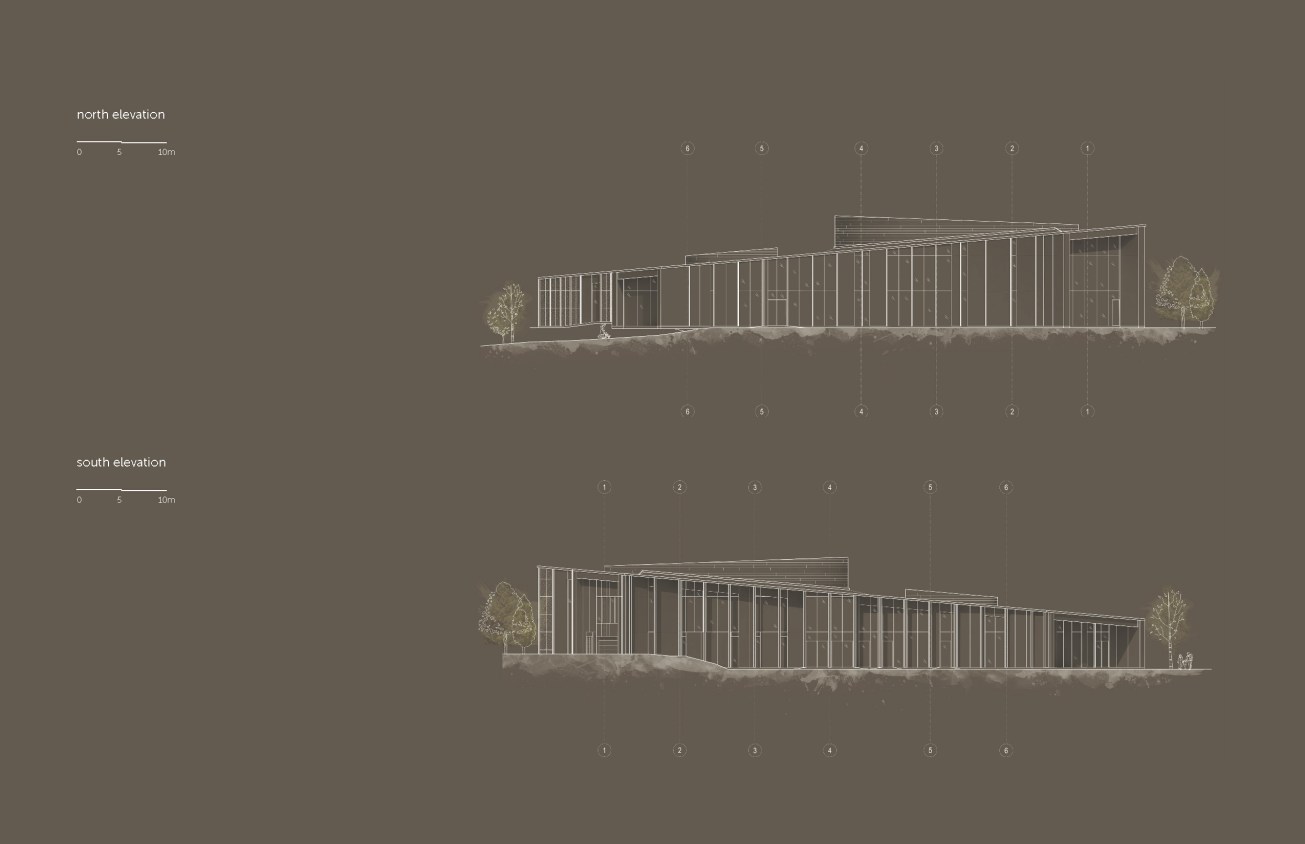
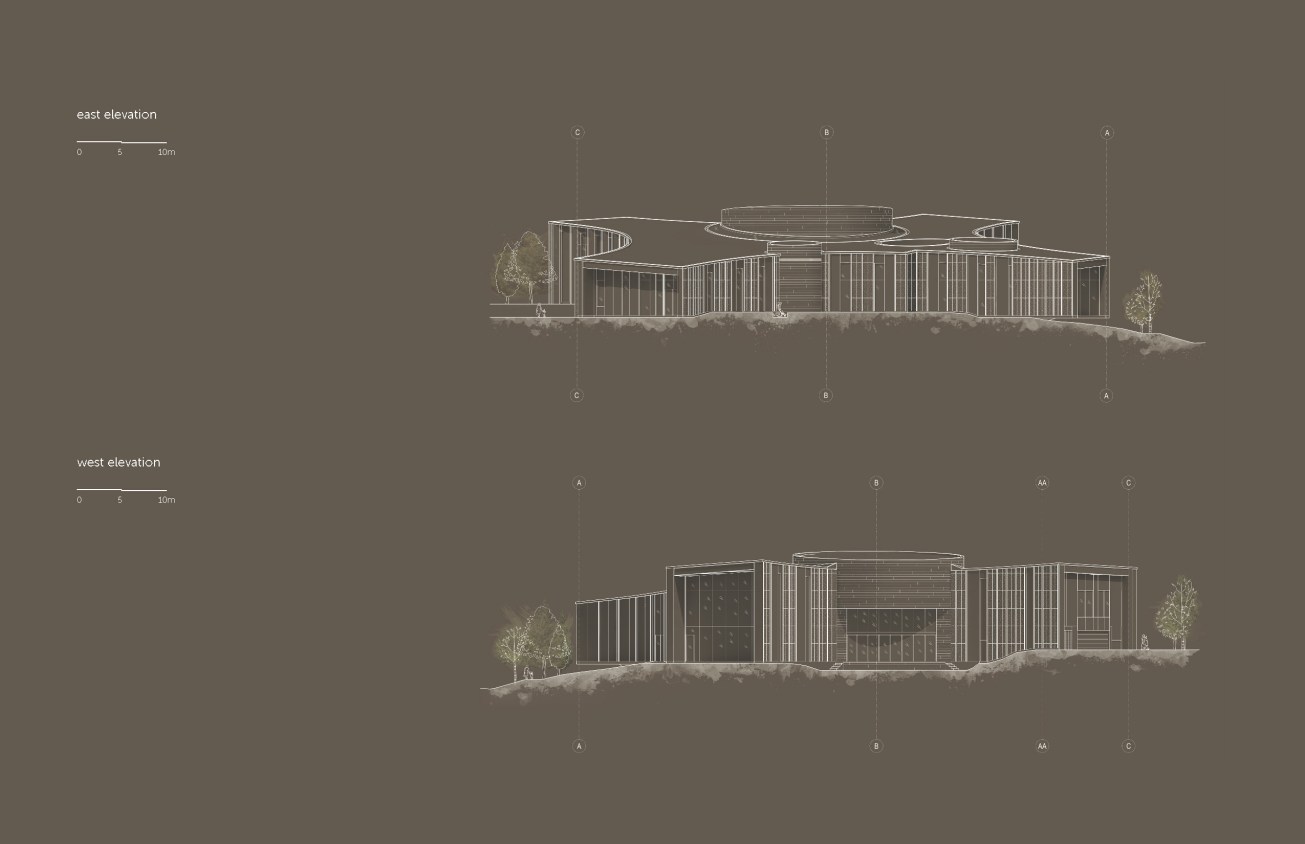
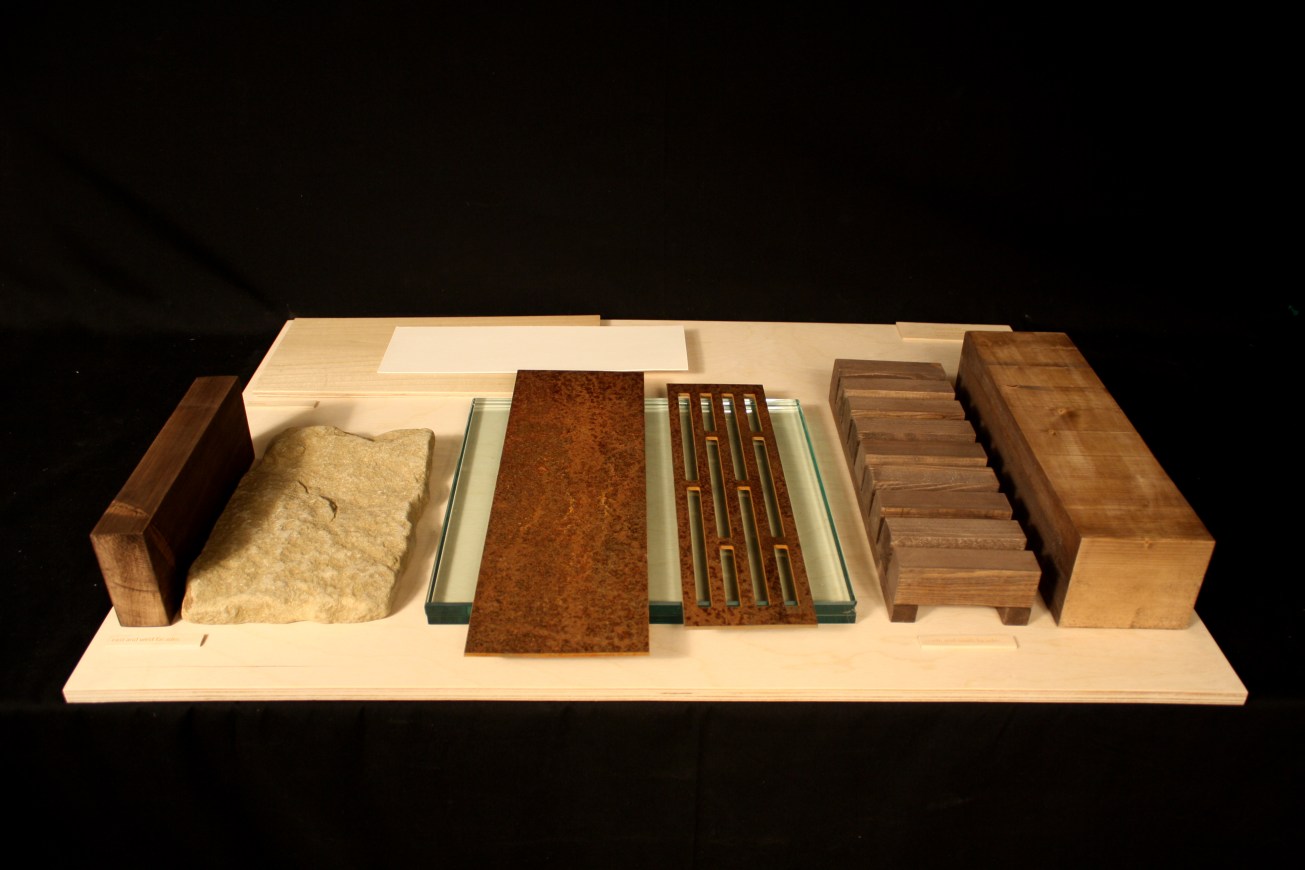
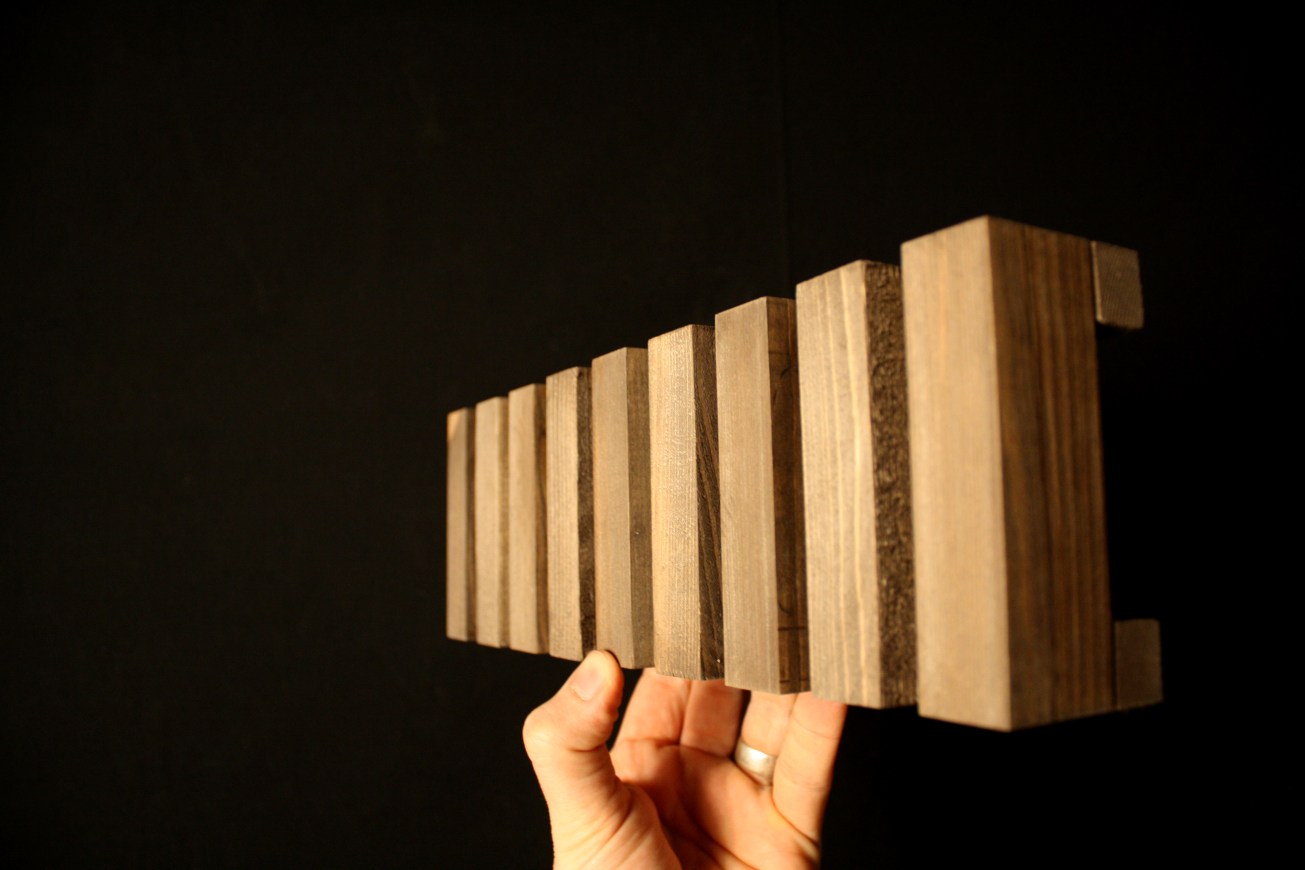
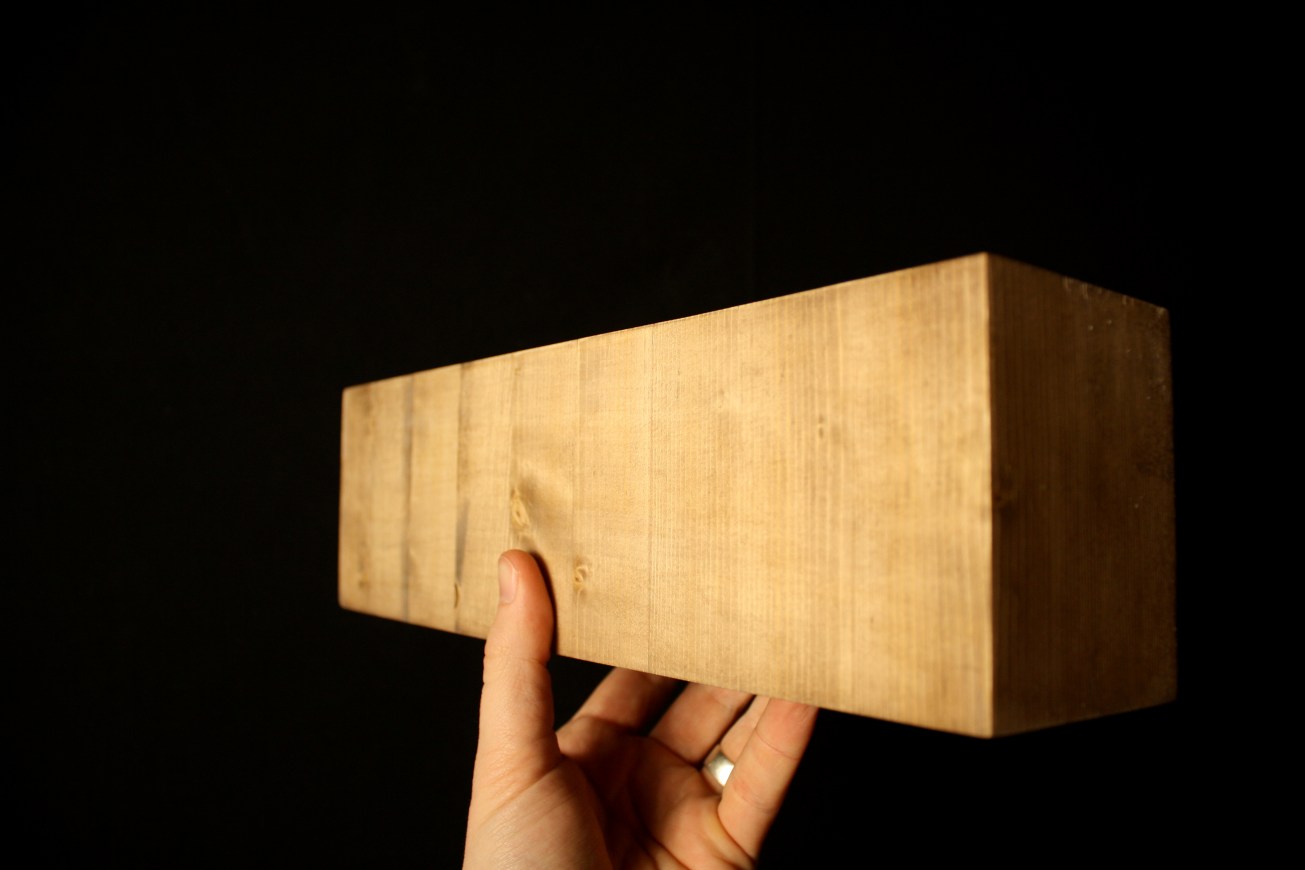
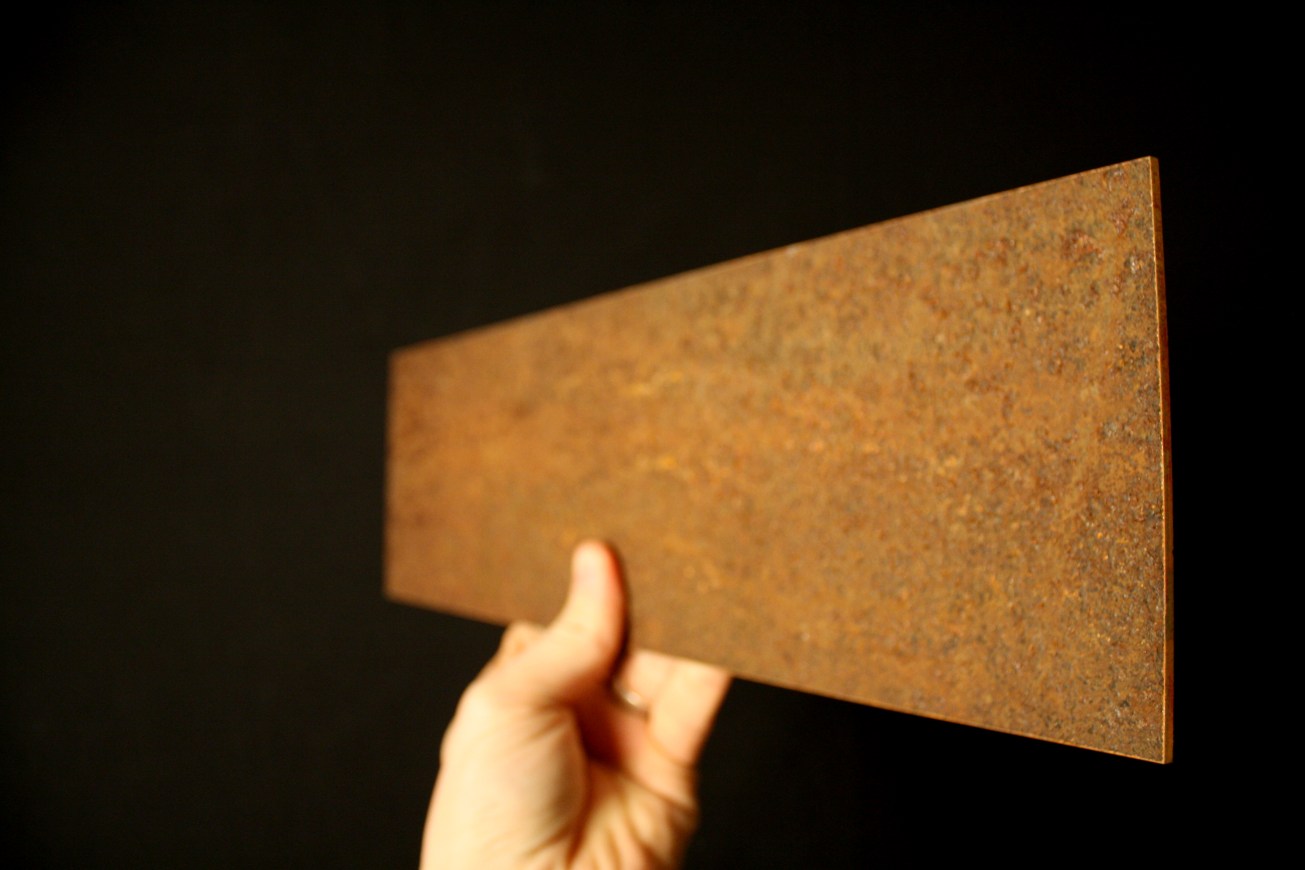
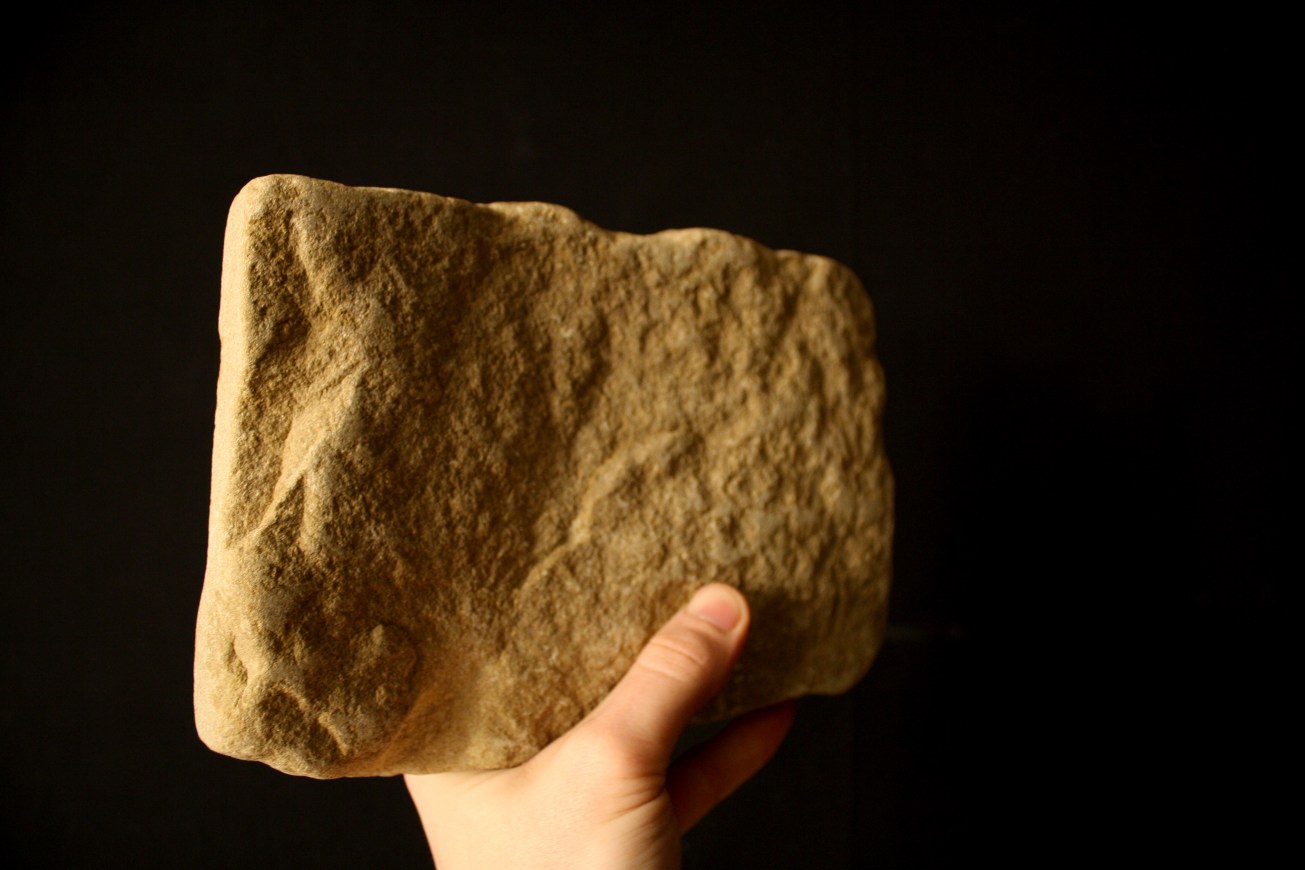
Aipoyaakokii is a Blackfoot term meaning lodge or the sacred and secure centre of society traditionally constructed with timber and stretched buffalo hide. This project’s central location within the city, and within urban first nation’s cultural vitality, as well as the building’s materiality and overall geometry speak to the deep rooted connotations of this name.

 nicholas dykstra