Denmark 1: Office Buildings
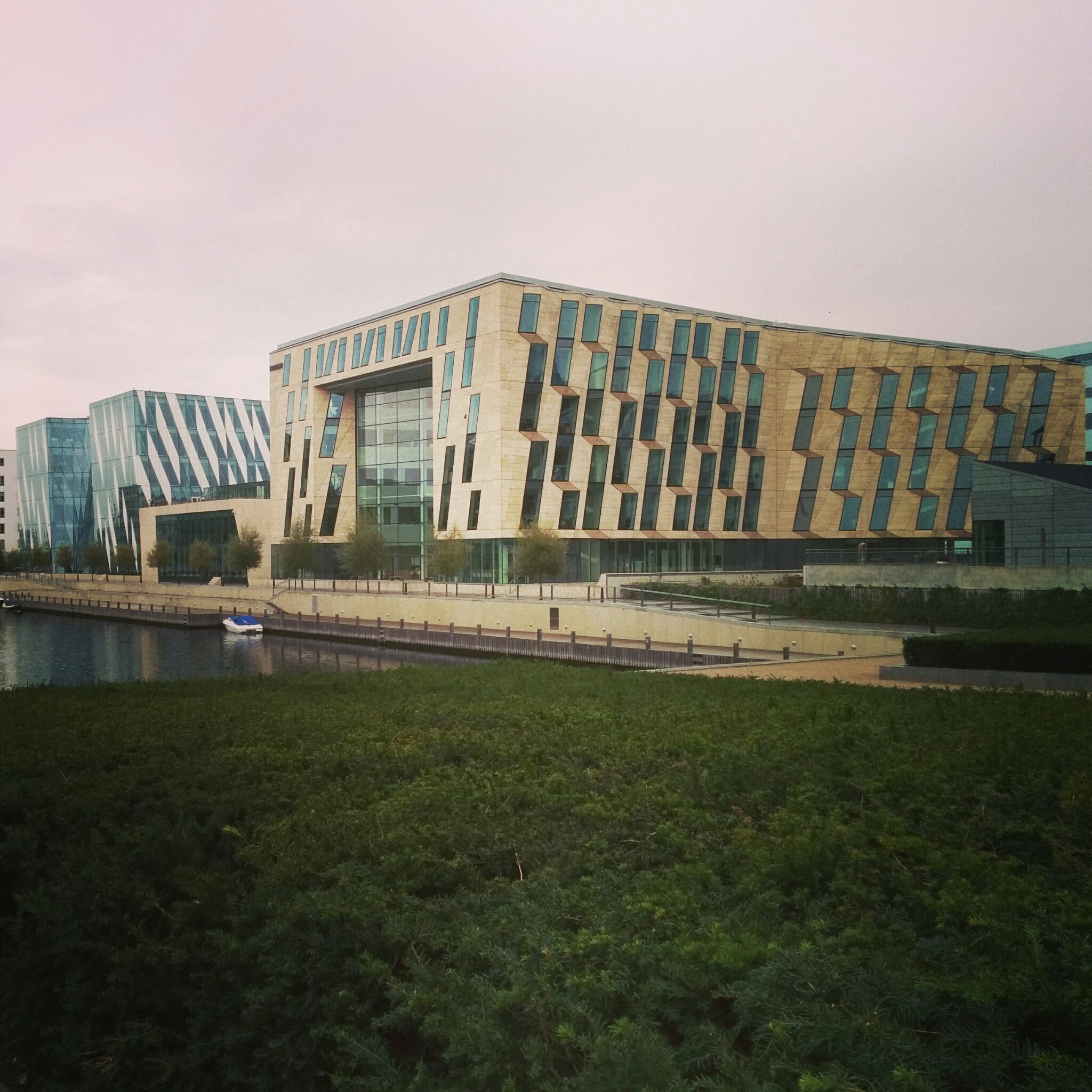
Two office buildings by Copenhagen’s 3XN: Horten Headquarters (2009) & Saxo Bank (2008)
The general design of an office building seems universal, but after meandering through the many new clusters of office buildings throughout Copenhagen for a few days I noticed a few distinct Danish characteristics: 1) they’re smaller and nicer, much nicer, 2) they all have cafeterias at-grade because in Denmark employers seem to all provide a high quality lunch, and 3) their lobbies are not public. The result of these three differences left me a bit disappointed, as the public realm seems to benefit very little from their co-presence: smaller buildings are inhabited overwhelmingly by single companies, employees arrive early and do not step outside until they are ready to leave for home, and because of these first to consequences, there is very little need or desire for office buildings to have porous public interfaces. They are beautiful hermetic containers of production, mostly surrounded by empty space.
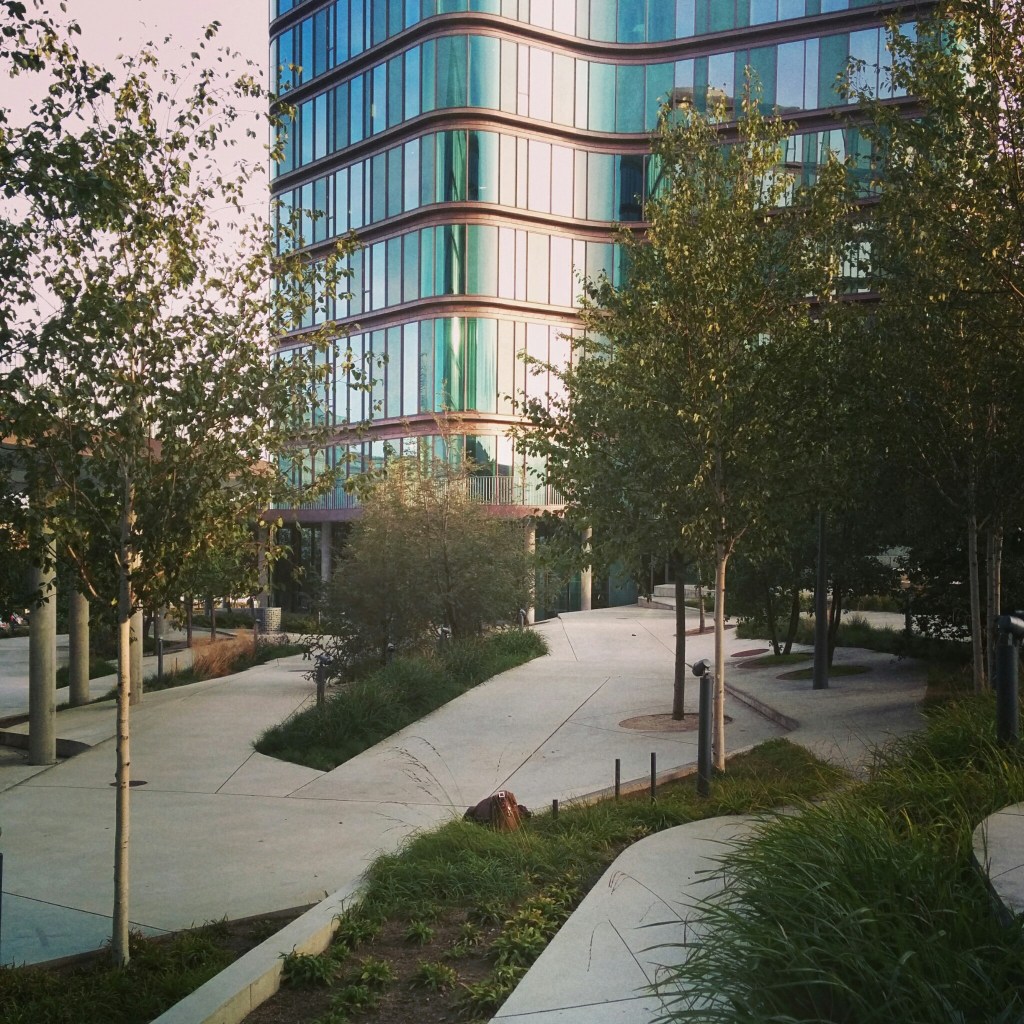
Lundgaard & Tranburg Architects beautiful SEB Bank & Pension Headquarters (2011)
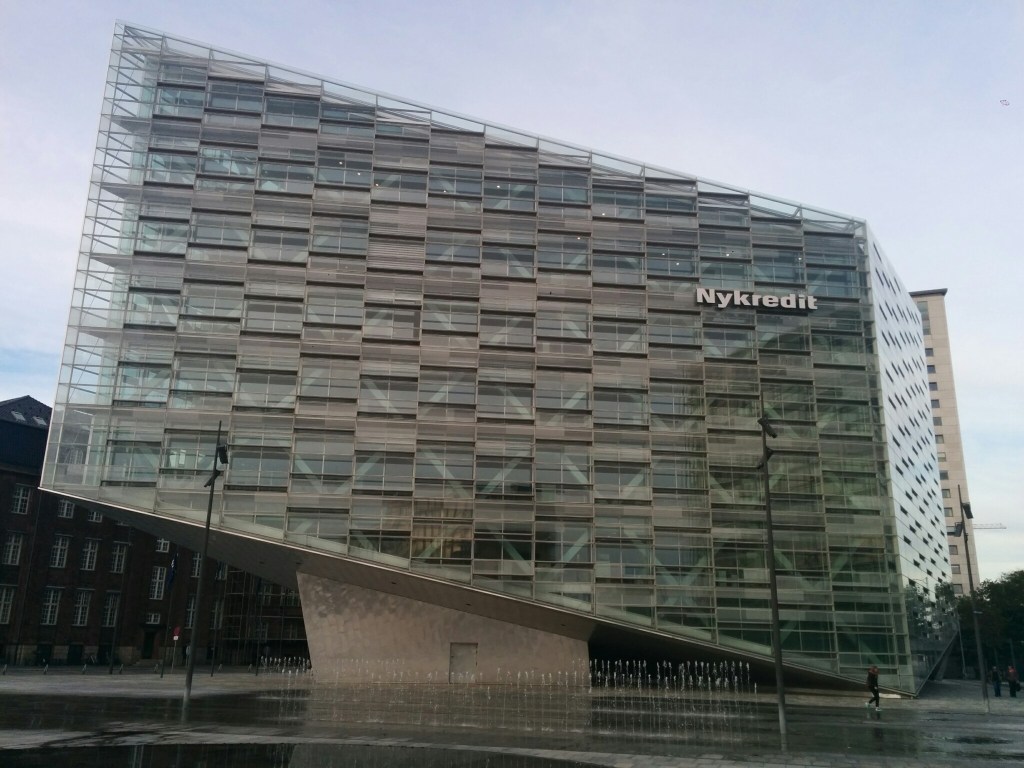
Schmidt Hammer Lassen’s The Crystal (2011)
Denmark 2: Balconies
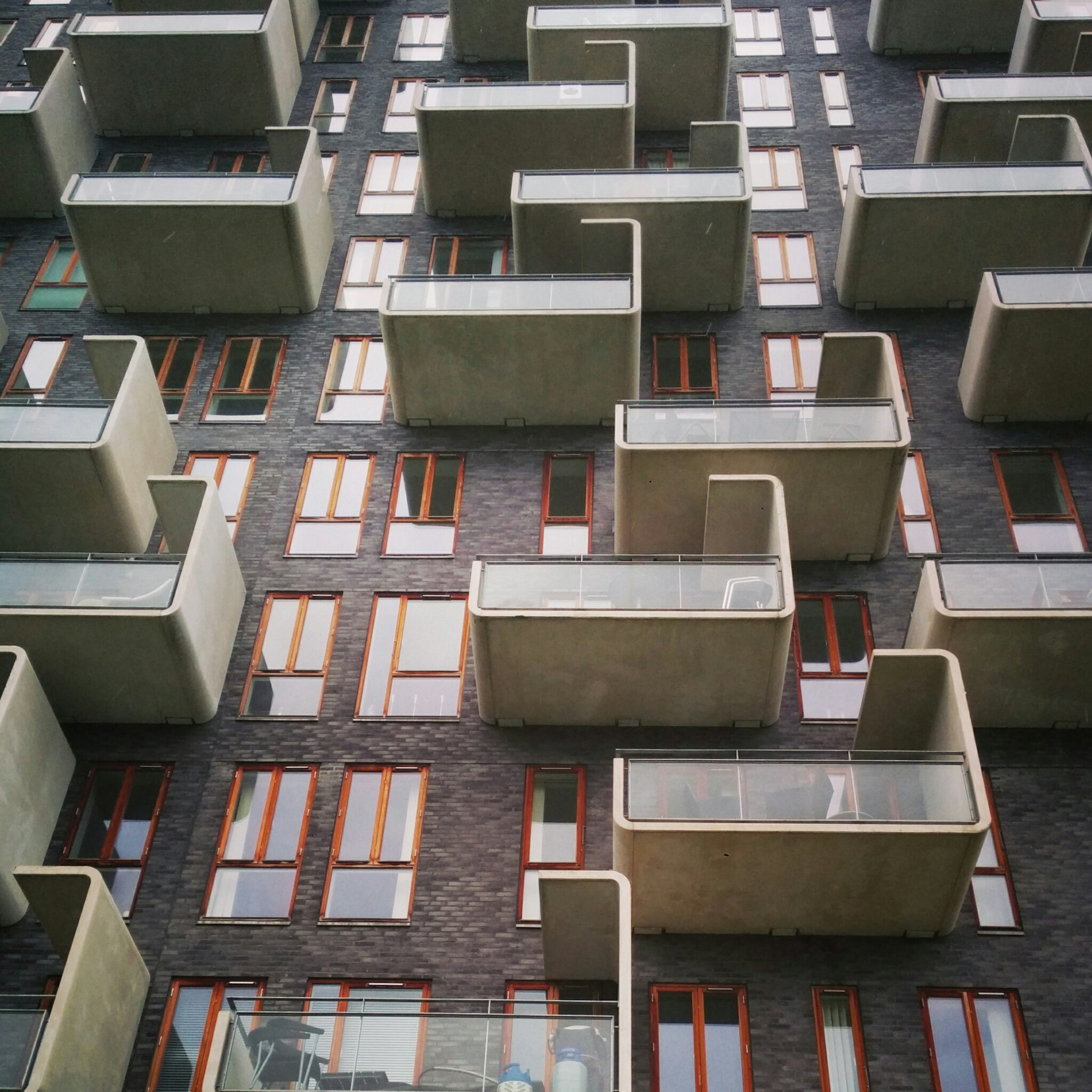
Lundgaard & Trunberg’s Ørestad Apartments (2006)
Since the Danes design and construct their built environment incredibly well, their typical level of thermal bridging is kept to an absolute minimum. Its odd that in a city like Copenhagen, with a relatively benign climate compared to most Canadian Cities (cooler in the summer and warmer in the winter), there are more efforts made to construct well-insulated buildings with much more intelligent building envelopes. What exactly is it that prevents Canadian buildings from attaining what the Danes consider to be typical or standard?
Interestingly, I noticed that one of the most visible differences, with respect to thermal bridging, is the structurally cantilevered balcony (too often used in Canada) vs. the attached balcony (common place in Copenhagen). The commonplace use of the attached balcony has manifest a different design sensibility of the facade. Many condominium/apartment projects throughout Copenhagen use these attached prefab balconies, and their inherent minimum three points of contact, as the primary means of facade differentiation. The facade itself is simple, generally one or two materials, but the prefab balcony/wall/enclosure turns the appearance of the building into something much more textured and identifiable.
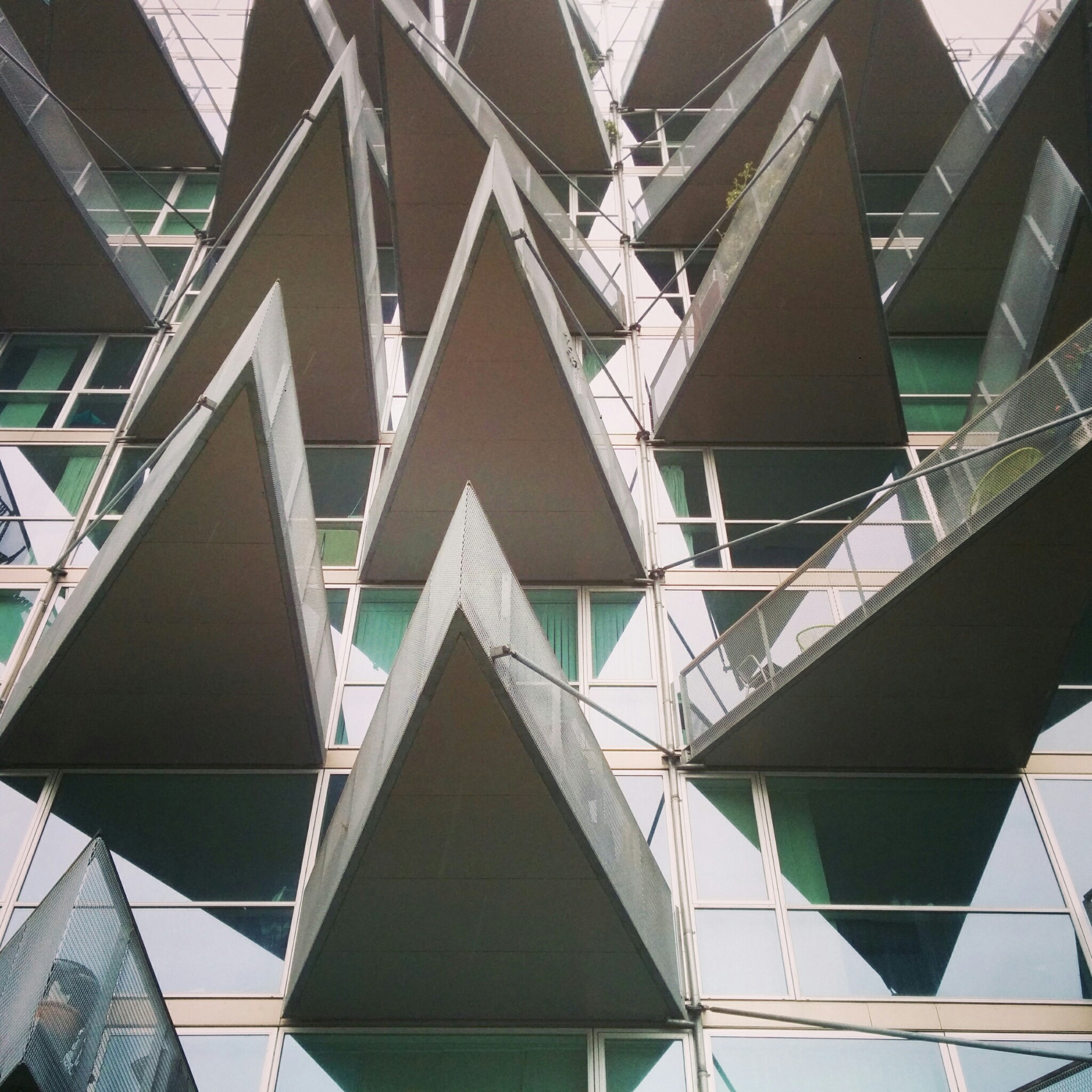
BIG’s VM Houses (2005)
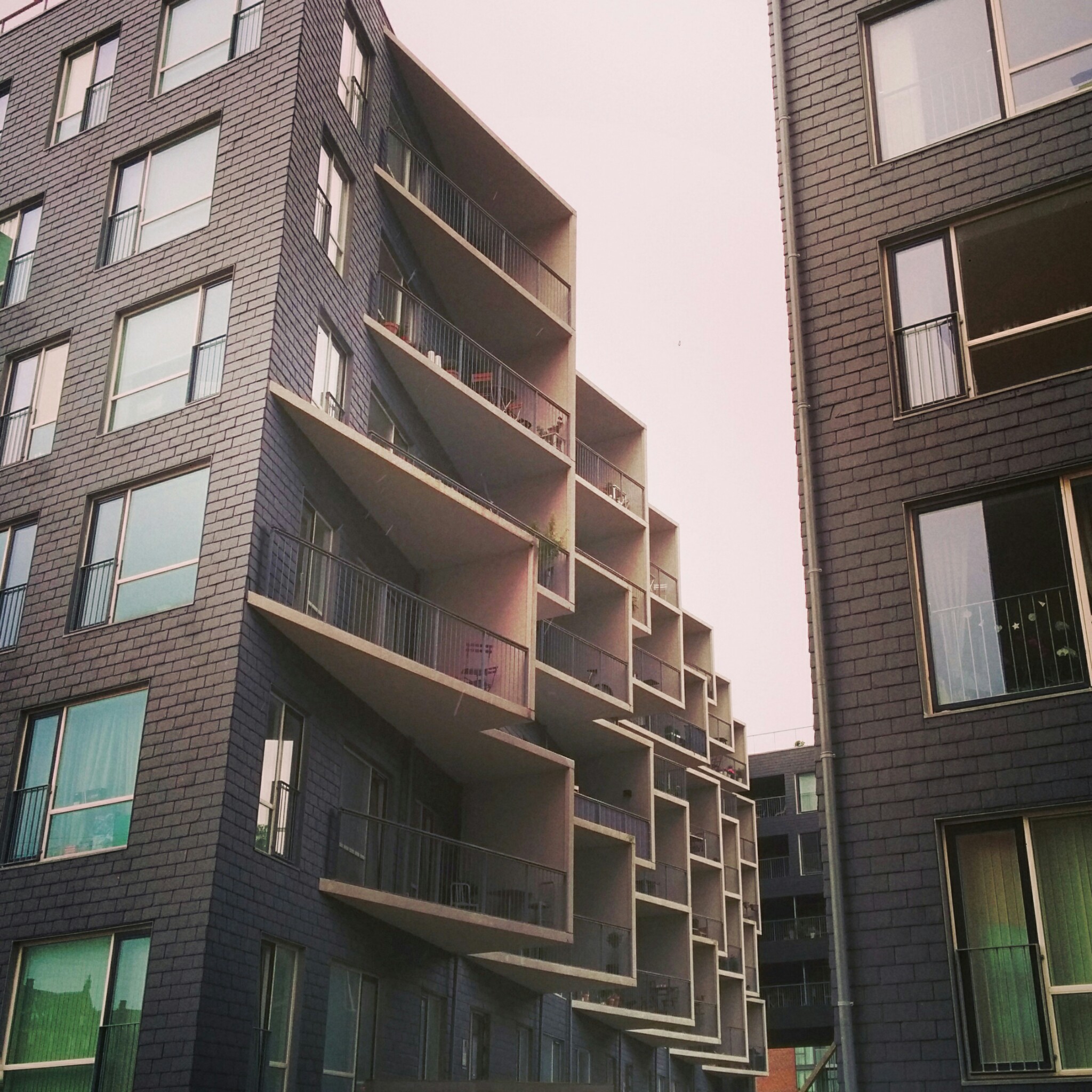
Lundgaard & Trunberg’s grey slate clad The Lighthouse (2006)
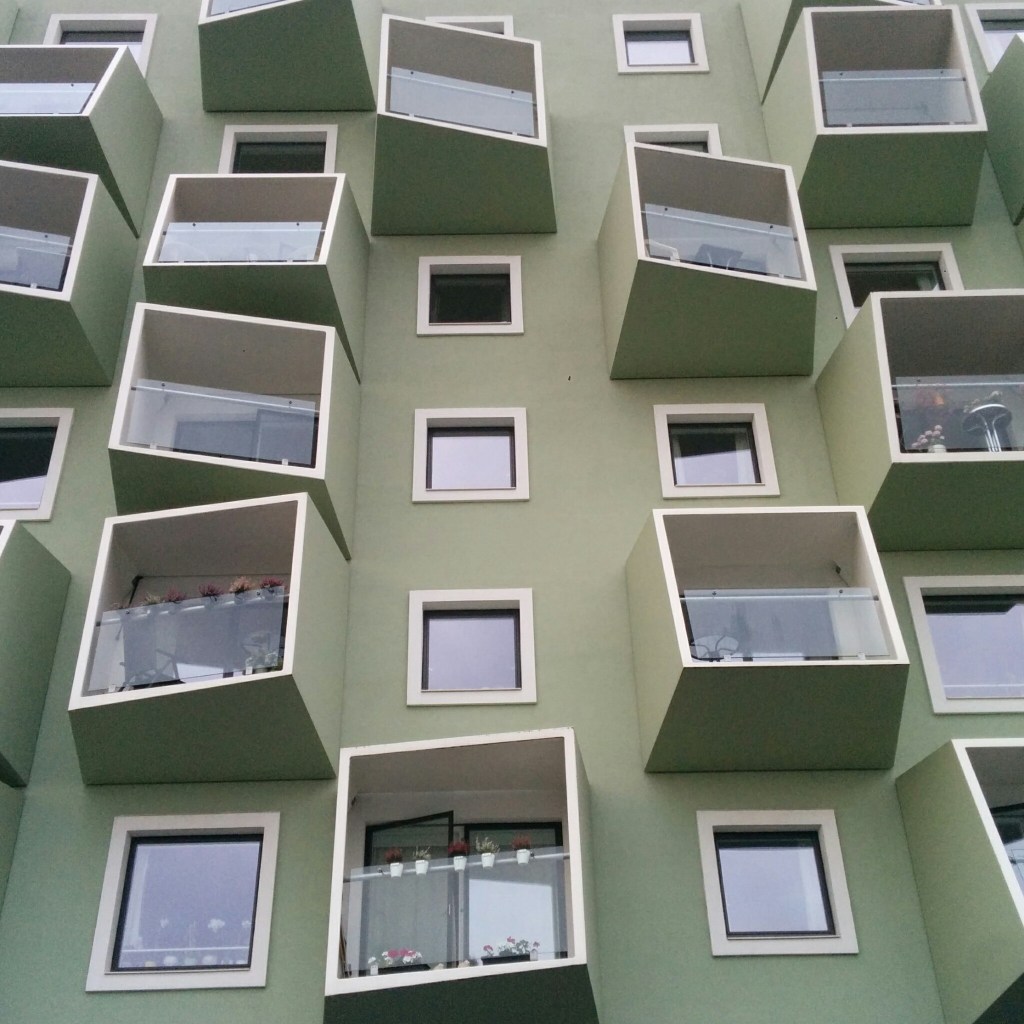
JJW Architecture’s Ørestad Plejecenter (2012)
 nicholas dykstra